Do Fort Worth Clinics Offer No Shave FUE Hair Transplant?

Many patients choose the no shave FUE procedure because Fort Worth clinics offer this advanced treatment option. It keeps the surrounding hair long, so the procedure stays private and less noticeable.

At Hair Transplant Fort Worth, patients receive a personal consultation to learn if this treatment matches their hair goals. The team explains each step clearly and creates a plan based on each person’s needs.

What Is a No Shave FUE Procedure?

What It Means

A no shave FUE procedure lets a doctor move healthy hair without shaving all of your hair. The doctor removes and places each hair one at a time. As a result, you can keep your usual hairstyle while your scalp heals.

How It Is Different

A regular FUE treatment often needs more shaving in the donor area. The no shave FUE procedure only removes small groups of hair, so most of your hair stays in place. Because of this, the treatment is harder to notice after your visit.

Why People Choose It

Many people want a treatment that looks natural and keeps their hair looking the same. FUE hair transplant in Fort Worth is a popular choice for people who want a more private way to restore their hair. Also, many people feel more comfortable going back to work or school without a big change in their hairstyle.

How It Protects Your Hair

The doctor works with care to keep the hair around the treatment area in place. This careful method helps your hair blend well as new hair grows. In the end, you can enjoy a natural look while keeping most of your existing hair.

How Does the No Shave FUE Procedure Work?

Consultation and Hair Assessment

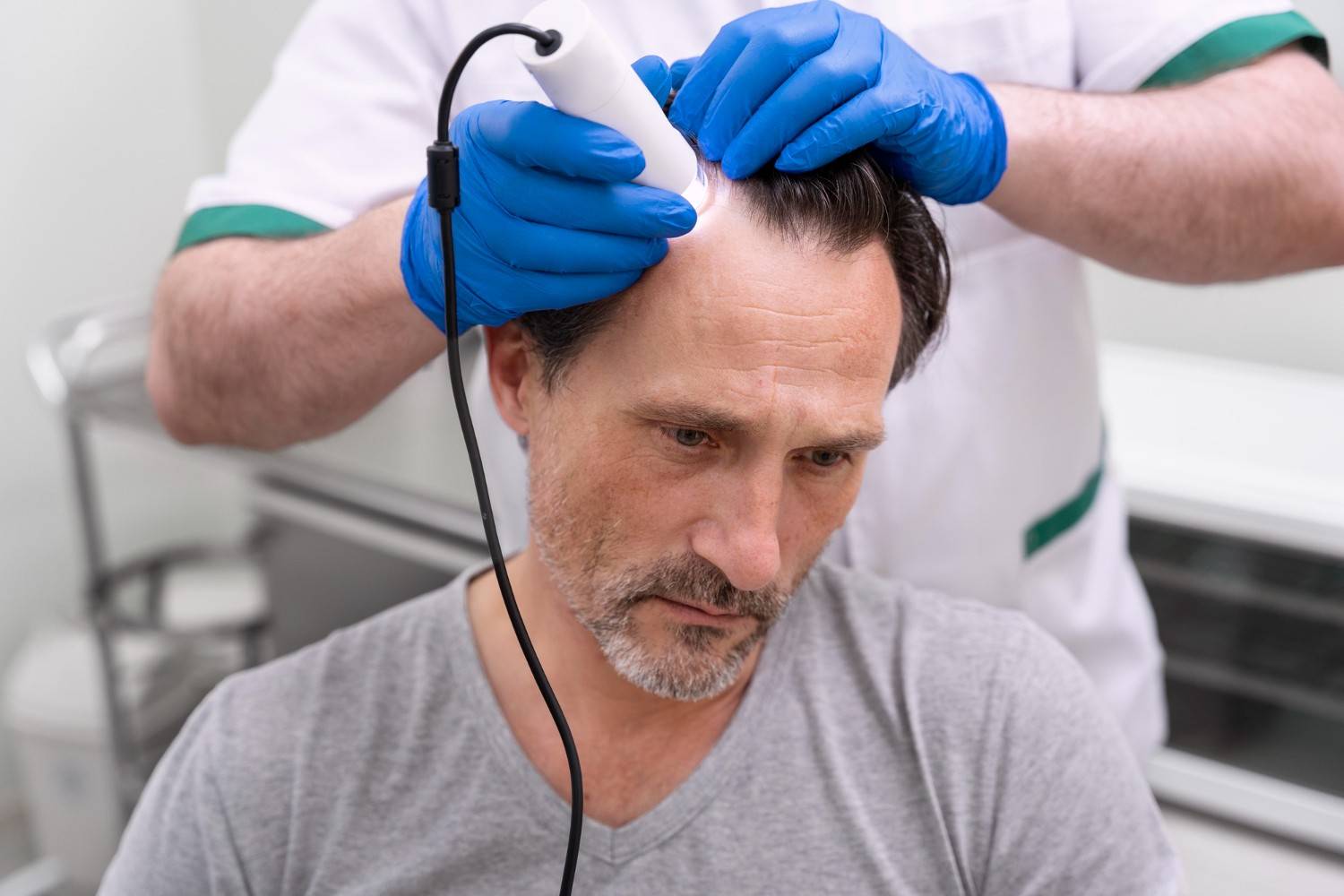
The doctor starts by checking your hair and scalp before treatment. They look at your hair loss pattern, the donor area, and your hair thickness. They also ask about your goals and answer your questions. This visit helps the doctor decide if the no shave FUE procedure is the best choice for your needs.

Individual Follicle Extraction

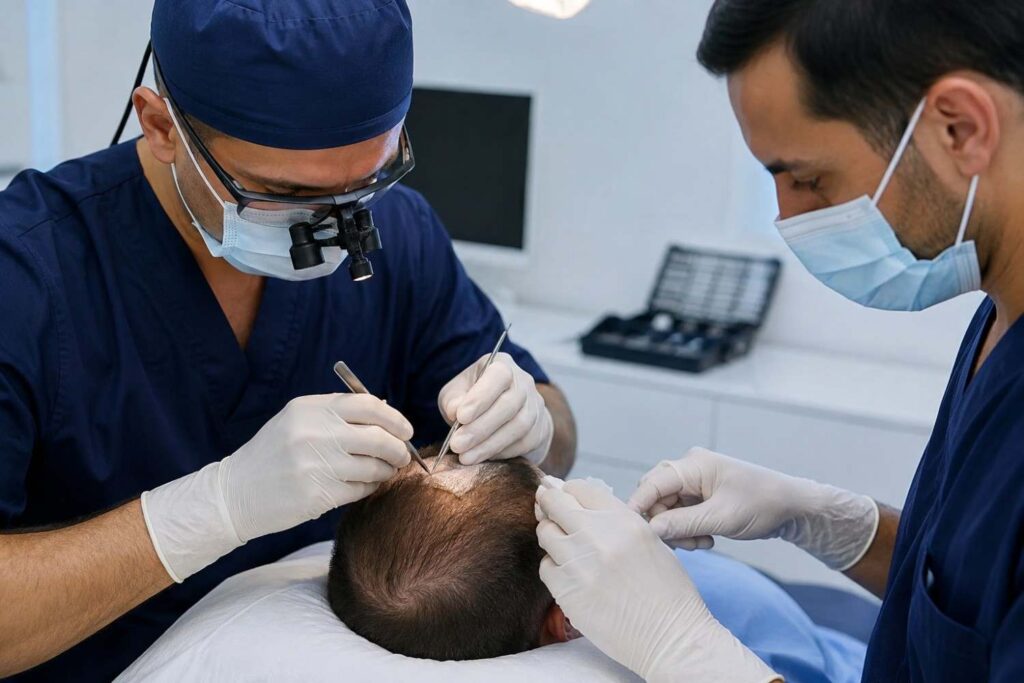
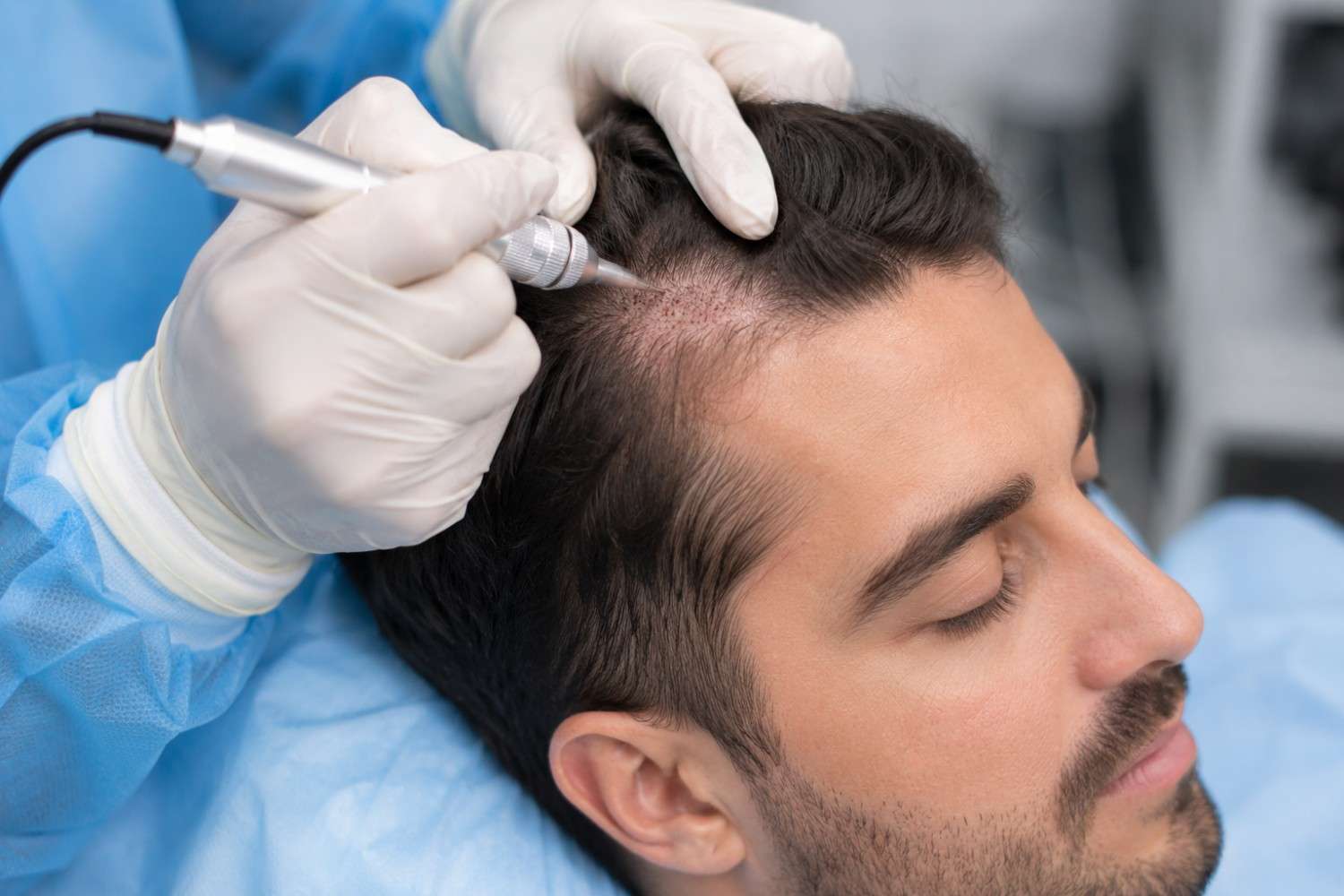
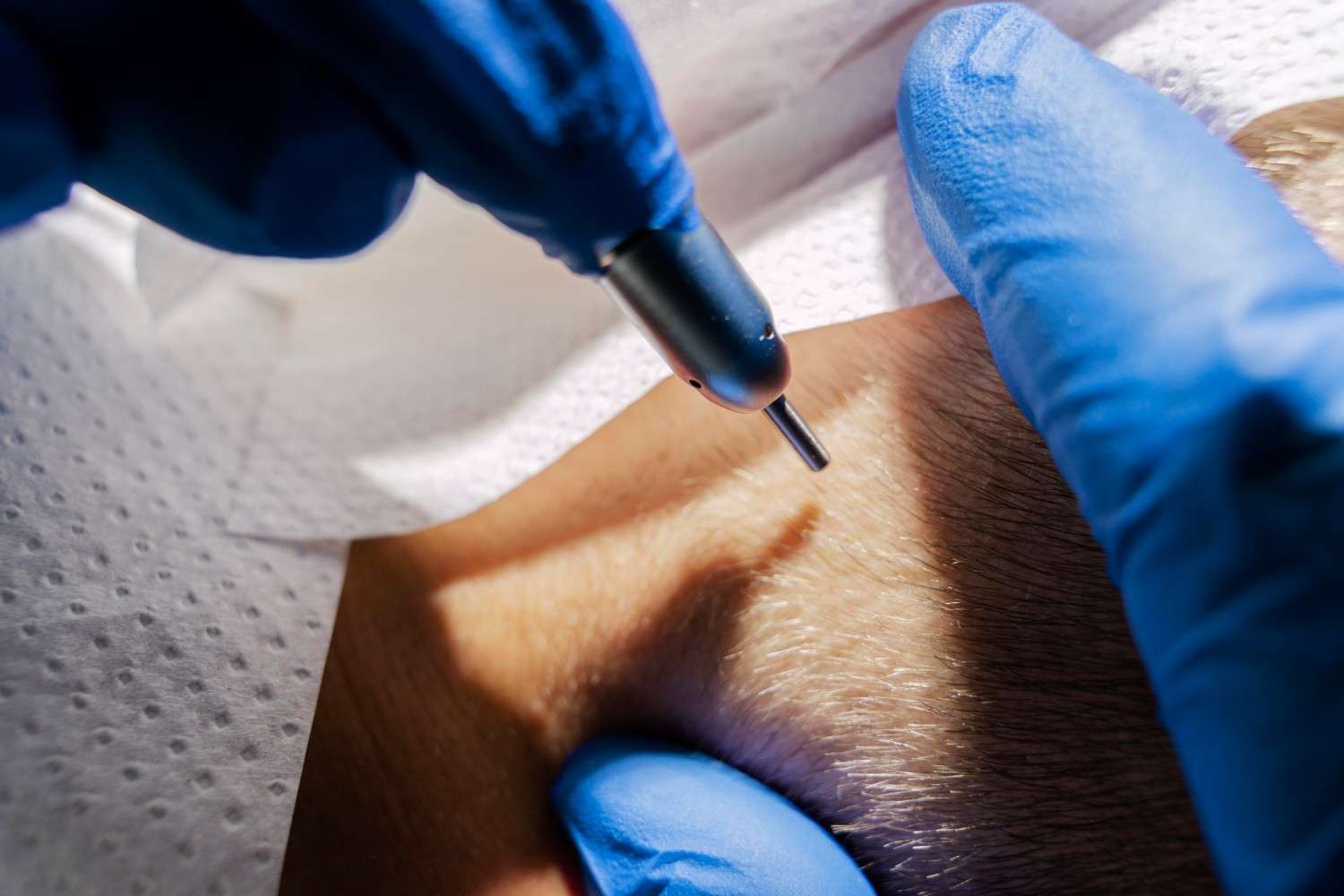
The doctor removes healthy hair follicles one at a time with special tools. Most of the hair around the treatment area stays in place, so there is no need to shave all of your hair. The doctor works with care to protect each follicle and help it stay healthy during the process.

Implanting the Hair

The doctor places each hair follicle into the thinning area with care. Each graft follows the natural direction of your hair so it blends well with your existing hair. The doctor also plans the hairline and spacing to create a full and natural look. As a result, the no shave FUE procedure can provide results that look smooth and even.

Recovery Process

Most people notice mild redness or slight swelling for a few days after treatment. The scalp begins to heal over the next several days, and many people return to work soon after their procedure. Some doctors may also recommend platelet-rich plasma (PRP) for hair loss to support healing and healthy hair growth. The doctor also gives simple aftercare steps, such as washing your hair gently and avoiding hard activities.

Benefits of Choosing a No Shave FUE Procedure

Keeps Your Existing Hairstyle

The no shave FUE procedure helps you keep your current hairstyle during treatment. The doctor only removes small groups of hair instead of shaving your whole head. Because of this, your hair still looks much the same while your scalp heals.

Provides More Privacy

Many people want to keep their treatment private. Your longer hair covers the treated areas, so other people may not notice the changes right away. As a result, you can feel more confident when you return to your normal routine.

Leaves Minimal Visible Scarring

The doctor removes each hair follicle with small tools that make tiny openings in the skin. These small spots heal over time and are often hard to see. Even after your scalp heals, most people do not notice visible scars.

Offers Natural Looking Results

The doctor places each hair in the same direction as your natural hair growth. The no shave FUE procedure also helps the new hair blend with your existing hair. This careful work creates a hairline that looks full, even, and natural.

Reduces Downtime

Most people recover in a short time after treatment. Mild redness or swelling often fades within a few days, and many people return to work soon after the procedure. Meanwhile, following your doctor’s aftercare steps helps your scalp heal well and supports healthy hair growth.

Who Is a Good Candidate?

The right person for this treatment depends on their hair, scalp, and goals. A doctor will check your hair before making a treatment plan. The no shave FUE procedure works well for many people, but each person needs a full evaluation first.

  • Men: Men with thinning hair or a receding hairline may be good candidates. The doctor checks the amount of healthy donor hair before recommending treatment.
  • Women: Many women choose this option because it helps keep their hairstyle the same. The no shave FUE procedure can also help some people dealing with hair loss in women who want a more private treatment.
  • Small to Medium Graft Sessions: This treatment often works best when only a small or medium number of grafts are needed. The doctor can place each graft with care for natural looking results.
  • Patients with Longer Hair: People with longer hair often like this option because most of their hair stays in place. Their hair can cover the treated area while it heals.
  • Healthy Donor Area: A healthy donor area gives the doctor strong hair follicles to move. Healthy follicles can improve the chance of good hair growth after treatment.
  • Realistic Expectations: Good candidates understand that hair needs time to grow after the procedure. They also know that results improve little by little over several months.

Technology Used During Modern FUE Procedures

Advanced Extraction Devices

Doctors use special tools to remove healthy hair follicles with care. These tools help protect each follicle during the process and support healthy growth after treatment. The WAW FUE system is one example that helps doctors remove hair follicles with better accuracy. As a result, the no shave FUE procedure can provide natural looking results while protecting the surrounding hair.

Automated FUE Systems

Some clinics use automated tools to make the treatment faster and more consistent. The ATERA FUE system helps doctors handle hair grafts with care while improving the speed of the procedure. The NeoGraft FUE system also supports smooth follicle removal and collection, which helps keep the grafts in good condition before they are placed.

Digital Planning and Precision

Modern technology also helps doctors plan where each hair follicle should go before treatment begins. This careful planning helps create a natural hairline and even hair density across the treated area. The Ellis FUE system is another tool that helps doctors work with greater control and precision. Because of this, healthy grafts have a better chance to grow well and blend with your existing hair.

Ready to Find Out if No Shave FUE Is Right for You?

At Hair Transplant Fort Worth, we are here to help you choose the best treatment for your needs. Contact our team to schedule a consultation, or ask about our virtual consults if you cannot visit the clinic in person. We will explain every step and help you decide if the no shave FUE procedure is the right choice for your hair restoration goals.

FAQs

What is a no shave FUE procedure?

A no shave FUE procedure is a hair restoration method that lets the doctor remove and place hair follicles without shaving all of your hair. This helps keep your hairstyle looking the same during recovery.

How long does it take to recover from a no shave FUE procedure?

Most people can return to work within a few days. Mild redness or swelling usually goes away as your scalp heals. Your doctor will give you simple aftercare instructions to support healing.

Will people notice that I had the procedure?

Many people choose this treatment because it is more private. Since most of your hair stays in place, it can help cover the treated areas while your scalp heals.

Am I a good candidate for a no shave FUE procedure?

You may be a good candidate if you have healthy donor hair, longer hair, and realistic goals. A consultation with your doctor is the best way to find out if this treatment is right for you.

How long does it take to see the final results?

Hair grows slowly after the procedure. Many people notice new growth within a few months, while full results often appear after about 12 months. Your results may vary based on your hair growth and healing.

Fort Worth FUE Hair Transplant for Thinning Crown Area

An FUE (Follicular Unit Extraction) procedure for Fort Worth thinning crown restoration is an excellent, minimally invasive solution for a thinning crown. It permanently moves healthy donor hair to balding areas without leaving a linear scar. Expect to pay roughly $4,500 to $15,000 depending on your graft needs.

At Hair Transplant Fort Worth, clients receive personalized evaluations to determine the right number of grafts for their crown restoration goals. Advanced FUE technologies and customized treatment plans help create natural-looking density while supporting long-term hair growth and confidence.

What Causes a Thinning Crown?

A thinning crown can happen for many reasons. Some people lose hair because of their genes, while others notice changes as they get older. In some cases, daily habits and health issues can also affect hair growth. Learning about these factors can help you understand what may be causing hair loss and what steps you can take next.

Genetics and Family History

Genes play a big role in hair growth. If people in your family have lost hair, you may have a higher chance of losing hair too. Male pattern baldness often runs in families and can slowly affect the crown area over time.

Some common signs include:

  • Family history: Hair loss may affect several family members.
  • Slow changes: Hair often becomes thinner little by little.
  • Crown thinning: The top of the head is a common area for hair loss.

These changes may start early in life or appear later. As a result, many people notice a wider or less full crown as the years pass.

Age and Hair Growth Changes

Hair naturally changes as you get older. Hair follicles may produce thinner strands, and new hair may grow more slowly. Fort Worth thinning crown restoration is often sought by people who want to improve the look of thinning hair as these age-related changes become more noticeable.

Over time, hair may lose some of its thickness and volume. Because of this, the crown can appear less dense even when hair is still growing.

Lifestyle and Health Factors

Daily habits and health concerns can also affect hair growth. Stress, poor eating habits, and some medical conditions may weaken hair and lead to shedding. Many hair loss causes can work together and make crown thinning more noticeable.

Some factors that may affect hair health include:

  • Stress: High stress levels can increase hair shedding.
  • Nutrition: The body needs vitamins and minerals for healthy hair.
  • Medical conditions: Certain illnesses may affect normal hair growth.

These issues do not always lead to permanent hair loss. However, treating the cause can often help support healthier hair growth.

How FUE Helps Restore a Thinning Crown

FUE is a popular way to restore hair in the crown area. This method moves healthy hair from one part of the scalp to areas with less hair. It can help create a fuller look while keeping the results natural.

What Is FUE?

FUE stands for Follicular Unit Extraction. During this procedure, a doctor removes individual hair follicles from a donor area and places them where hair is thin. Many people choose a FUE hair transplant in Fort Worth because it offers a precise way to improve hair coverage.

How Grafts Are Placed

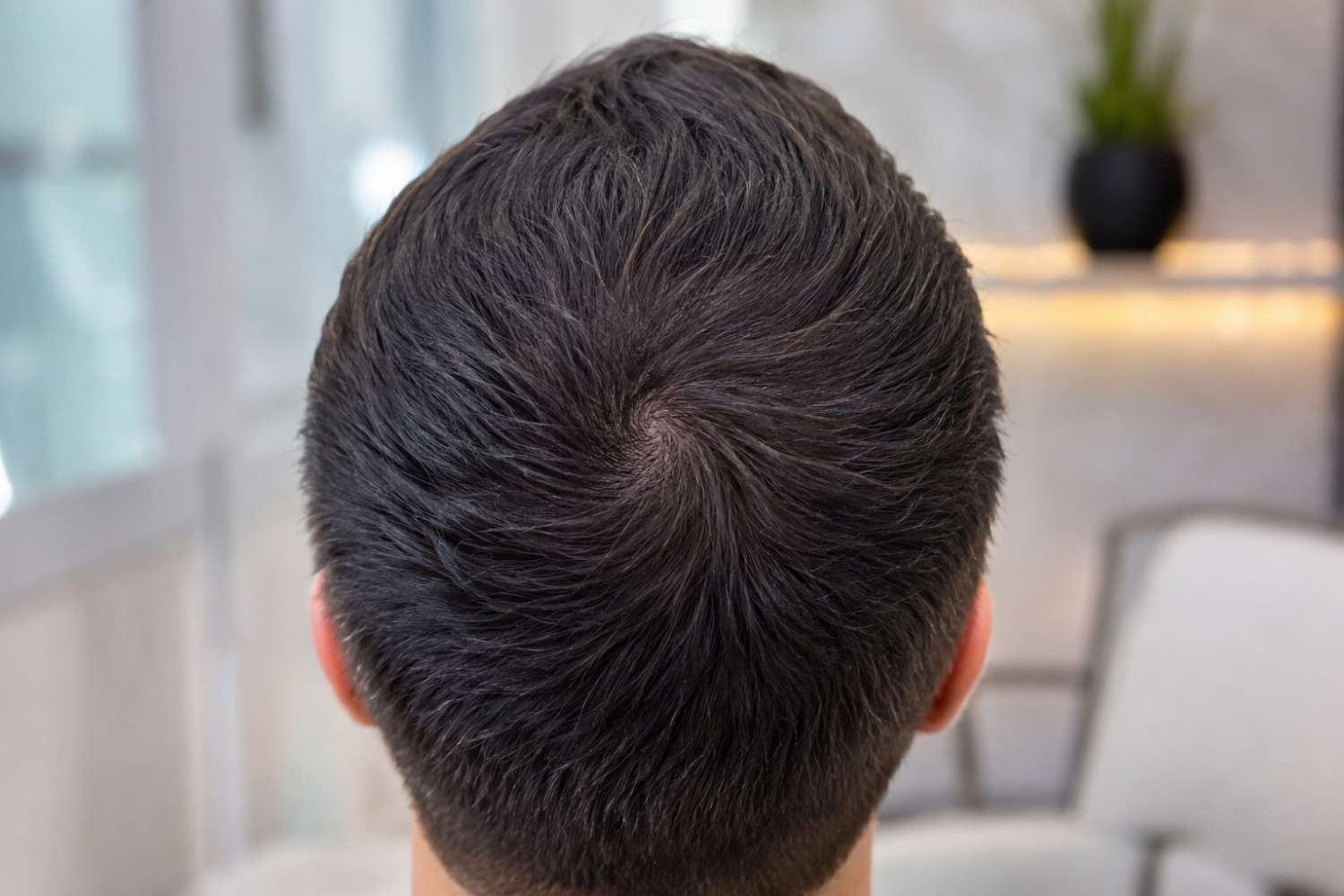
The crown has a natural swirl pattern that makes hair grow in different directions. A skilled doctor places each graft to match this pattern, which helps the new hair blend with the surrounding hair. Because of this careful approach, Fort Worth thinning crown restoration can create results that look smooth and natural.

Some important goals during graft placement include:

  • Match hair direction: New hair follows the natural growth pattern.
  • Create even coverage: Hair is spread across thin areas.
  • Keep a natural look: The crown keeps its normal shape.

These steps help the restored hair look more balanced and realistic.

Why FUE Is a Popular Choice

Many people like FUE because it does not leave a long linear scar on the scalp. The procedure is also less invasive than some older methods, so recovery is often easier. In addition, the results can look very natural when an experienced doctor performs the treatment.

Some benefits of FUE include:

  • No linear scar: The procedure removes follicles one at a time.
  • Less invasive: It uses small extraction sites.
  • Natural appearance: Hair grows in a way that blends with existing hair.

The total hair restoration cost can vary based on the number of grafts needed and the size of the crown area being treated.

Is FUE Effective for Crown Thinning?

FUE can help many people who have thinning hair in the crown area. The procedure moves healthy hair follicles to spots with less hair. As a result, the crown can look fuller and more even over time.

Suitable Candidates

FUE works best for people with mild to moderate crown thinning. A person should also have enough healthy donor hair for the doctor to move to the thinning area. Many people choose Fort Worth thinning crown restoration when they want to improve crown coverage and still have a good supply of donor hair.

Expected Density Improvements

FUE can make the crown look thicker, but it may not bring back the same density a person had as a child. A doctor places grafts carefully to improve coverage and create a natural look. Because every person is different, results can vary based on hair type, donor hair quality, and the size of the thinning area.

Long-Term Results

The transplanted hair follicles usually keep growing after they settle into their new location. These follicles often come from areas that resist hair loss, which helps them last for many years. However, natural hair around the crown may continue to thin, so some people may need ongoing care to maintain their results.

How Many Grafts Are Needed for a Thinning Crown?

The number of grafts needed depends on how much hair loss is in the crown area. A small thin spot may need fewer grafts, while a larger area may need more. The crown often needs extra planning because hair grows in a circular pattern.

Small Crown Areas

A small thinning crown may need about 500 to 1,000 grafts. The doctor places these grafts in areas with lower hair density to improve coverage. As a result, the crown can look fuller while still keeping a natural appearance.

Moderate Crown Thinning

A moderate thinning crown may need about 1,000 to 2,000 grafts. The doctor spreads the grafts across a larger area to create better density and balance. Many people seeking Fort Worth thinning crown restoration fall into this range because the crown has noticeable thinning but still has some existing hair.

Advanced Crown Hair Loss

A large crown area with significant hair loss may need 2,000 grafts or more. The doctor may recommend a larger session or multiple sessions to achieve the desired coverage. Because the crown covers a wide area and has a natural swirl pattern, it often needs more grafts than people expect.

What to Expect During the FUE Crown Restoration Process

The FUE process follows several steps to help restore hair in the crown area. Each step focuses on creating natural-looking results while keeping the procedure as comfortable as possible.

Consultation and Hair Assessment

The process starts with a consultation. The doctor checks your hair loss pattern, looks at your donor hair, and talks with you about your goals. During a Fort Worth thinning crown restoration consultation, the doctor also estimates how many grafts may be needed for the best coverage.

Follicle Extraction

After planning the procedure, the doctor removes healthy hair follicles from the donor area. This area is often at the back or sides of the scalp. The doctor takes each follicle one at a time, which helps protect the surrounding hair and skin.

Crown Graft Placement

Next, the doctor places the grafts into the crown area. Each graft follows the natural direction and swirl pattern of your hair. Because of this careful placement, the restored hair can blend in better with your existing hair.

Recovery and Healing Timeline

Most people can return to many normal activities within a few days. Small scabs may form around the grafts, and these usually fall off as the scalp heals. Over the next few months, new hair begins to grow, and the crown gradually looks fuller.

Protecting Existing Hair Around the Crown

Keeping your existing hair healthy is an important part of crown restoration. Even after treatment, the hair around the crown can continue to thin over time. Because of this, many people use additional treatments to help protect the hair they still have.

Why Ongoing Hair Loss Matters

Hair loss does not always stop after a restoration procedure. The crown area is often one of the last places to lose hair, but it can continue to thin for many years. Many people who choose Fort Worth thinning crown restoration also take steps to help maintain the hair around the treated area.

Treatment Options That May Help

Doctors may recommend treatments that help slow hair loss and support healthy hair growth. Finasteride is a prescription medicine that may help reduce further hair loss. Minoxidil is a topical treatment that people apply to the scalp to help support hair growth. In some cases, Platelet-Rich Plasma (PRP) therapy may help improve hair health by using growth factors from your own blood.

Choosing a Crown Restoration Provider in Fort Worth

Choosing the right provider can make a big difference in your results. A skilled team can create a treatment plan that fits your needs and helps your crown look natural. Taking time to learn about the provider can help you feel more confident about your decision.

Experience With Crown Design

The crown area has a unique swirl pattern that requires careful planning. A provider with experience in crown design knows how to place grafts in the right direction and angle. Many people choose Fort Worth thinning crown restoration services from providers who understand how to create natural-looking crown coverage.

Personalized Treatment Planning

Every person has a different hair loss pattern, donor hair supply, and goal. A good provider takes time to examine your scalp and build a treatment plan just for you. When looking at why we choose our information, check whether the practice offers customized care instead of a one-size-fits-all approach.

Some signs of personalized care include:

  • Hair assessment: The provider checks your hair loss pattern.
  • Graft planning: The team estimates the right number of grafts.
  • Goal discussion: Your expectations and concerns are reviewed.

These steps help create a plan that matches your needs.

Technology and Technique Options

Modern technology can help improve the accuracy and efficiency of a procedure. Some clinics offer advanced FUE systems and other hair restoration treatments to support different goals. Dr. Stefan P. Thiele uses advanced hair restoration technologies and a hands-on approach to help clients receive personalized care.

Some technologies and options may include:

  • Advanced FUE systems: Designed to improve graft harvesting.
  • PRP therapy: May help support hair health.
  • Multiple treatment options: Different solutions for different needs.

These tools can help providers create a treatment plan that fits each person.

Before and After Results

Before-and-after photos can help you see the type of results a provider has achieved for past clients. These images can show hair density, crown coverage, and overall appearance. Hair Transplant Fort Worth encourages people to review real results and discuss their goals during a consultation before choosing a treatment.

Ready to Improve Your Crown Coverage?

If you are thinking about Fort Worth thinning crown restoration, the team at Hair Transplant Fort Worth can help you explore your options. We provide personalized evaluations and advanced treatment solutions to help you achieve natural-looking results and greater confidence. Contact us today to schedule your consultation.

FAQs

Can FUE restore a thinning crown?

Yes. FUE can help restore hair in a thinning crown. The procedure moves healthy hair follicles from one area of the scalp to areas with less hair. This can make the crown look fuller and more natural.

How many grafts are needed for crown restoration?

The number of grafts depends on the size of the thinning area. A small crown may need about 500 to 1,000 grafts, while a larger crown may need 2,000 grafts or more. Your doctor will recommend the right amount during your consultation.

How long does crown restoration take to show results?

Most people start to see new hair growth within a few months. Hair usually becomes thicker and fuller over time. Final results often appear between 12 and 18 months after the procedure.

Is FUE permanent for crown thinning?

FUE can provide long-lasting results because the transplanted hair follicles often continue to grow in their new location. However, natural hair around the crown may still thin as you get older.

Can medications help maintain crown density after treatment?

Yes. Some doctors may recommend medications such as finasteride or minoxidil to help slow future hair loss. These treatments may help protect existing hair and support long-term results.

Fort Worth FUE Hair Transplant With Minimal Downtime

Fort Worth chose a FUE minimal downtime procedure, as follicular unit extraction offers a minimally invasive, low-downtime solution for hair restoration, with many returning to activities within days. Procedures are typically performed in-office under local anesthesia, taking 5–8 hours to transplant hair follicles, leaving no linear scar.

At Hair Transplant Fort Worth, clients receive personalized care using FUE technology designed for comfort, precision, and fast recovery, helping individuals restore natural hair growth with minimal disruption to daily life and long-lasting, natural-looking results that fits their unique goals.

What Is A FUE Minimal Downtime Procedure

A doctor moves tiny hair roots from one part of your head to another part. This helps fill thin spots and makes your hair look fuller. Many people choose a FUE minimal downtime procedure because it is gentle and easy to recover from.

Individual Follicle Extraction

The doctor takes out one hair root at a time using a small tool. Each root is placed carefully where the hair is thin. Because of this, the result looks natural and blends well with your hair.

Local Anesthesia

The doctor numbs your scalp before starting the procedure. You stay awake, but you do not feel pain. This helps you stay calm and comfortable during the whole process.

No Stitches Or Linear Scar

The doctor does not cut a large strip of skin. There are no stitches and no long scar line. Instead, you get tiny spots that heal fast and are hard to see later.

Procedure Time (5 To 8 Hours)

The full process can take several hours, based on how much hair you need. Even so, the FUE recovery time is quick, so most people go back to normal life within a few days.

Why Choose A FUE Minimal Downtime Procedure

Less Pain And Faster Healing

This method feels gentle on your scalp, so you feel less pain during and after the process. Because the doctor uses small tools, your skin heals faster. Many people choose a FUE minimal downtime procedure since it helps them feel better sooner and get back to daily life.

No Visible Scars

This method does not leave a long scar line on your head. Instead, the doctor makes very small spots that heal quickly. As a result, follicular unit extraction recovery feels easier, and most marks become hard to see over time.

Natural Looking Results

This method helps your hair look real and full. The doctor places each hair root in the right spot, so it blends well. In fact, it is known as a minimally invasive hair restoration method that gives smooth and natural results.

Trusted Option In Fort Worth

Many people want safe and proven care close to home. This is why they choose a FUE hair transplant in Fort Worth for skilled treatment and reliable results.

Here are some key benefits you can expect:

  • Quick return to daily life: You can go back to work in a few days.
  • Comfortable process: You feel little pain during the procedure.
  • Better confidence: Your fuller hair can help you feel good again.

Step By Step: What Happens During The Procedure

Consultation

First, you meet the doctor and talk about your hair goals. The doctor checks your scalp and explains your options in simple words. Many people feel calm when they learn how a FUE minimal downtime procedure works.

Hairline Planning

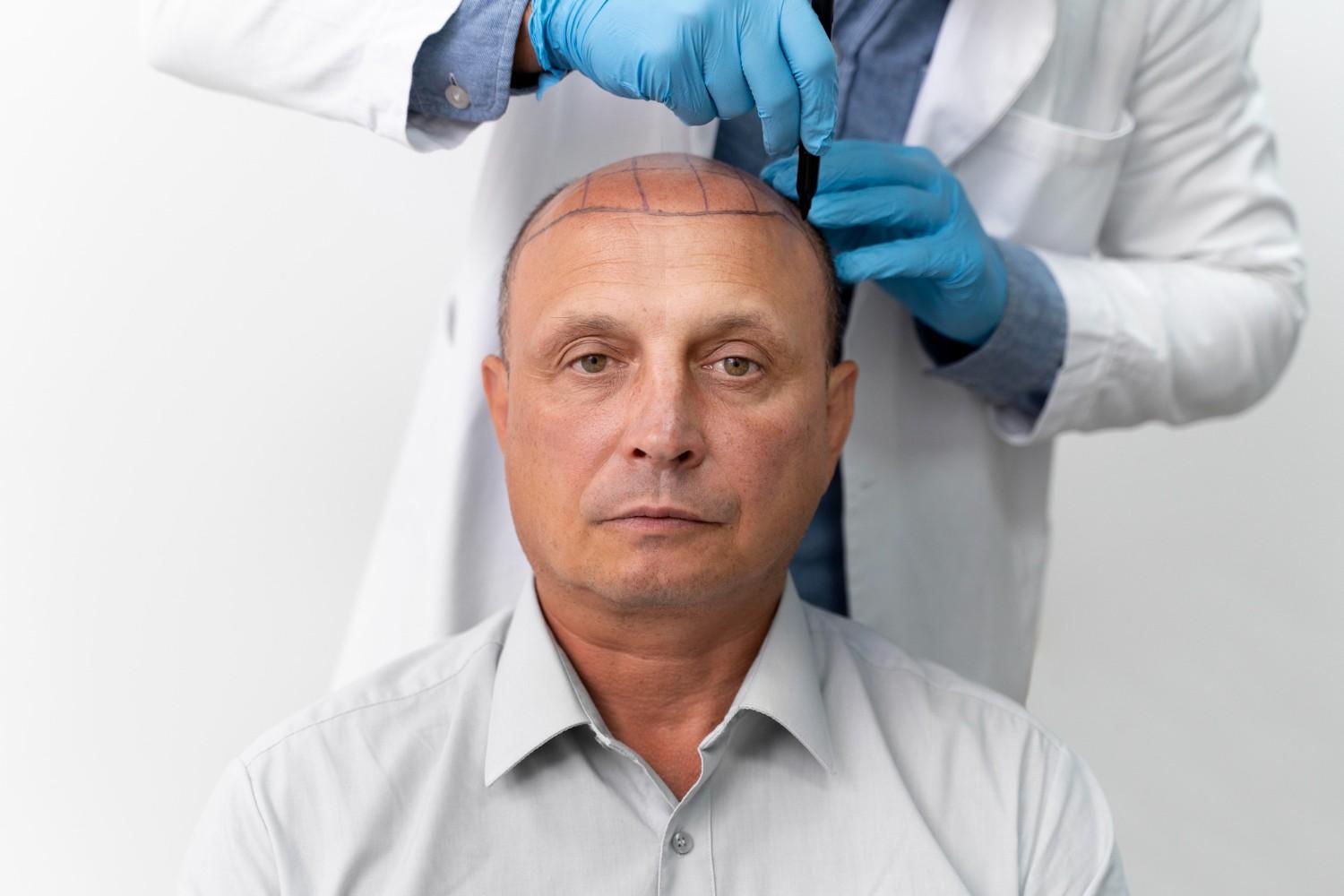
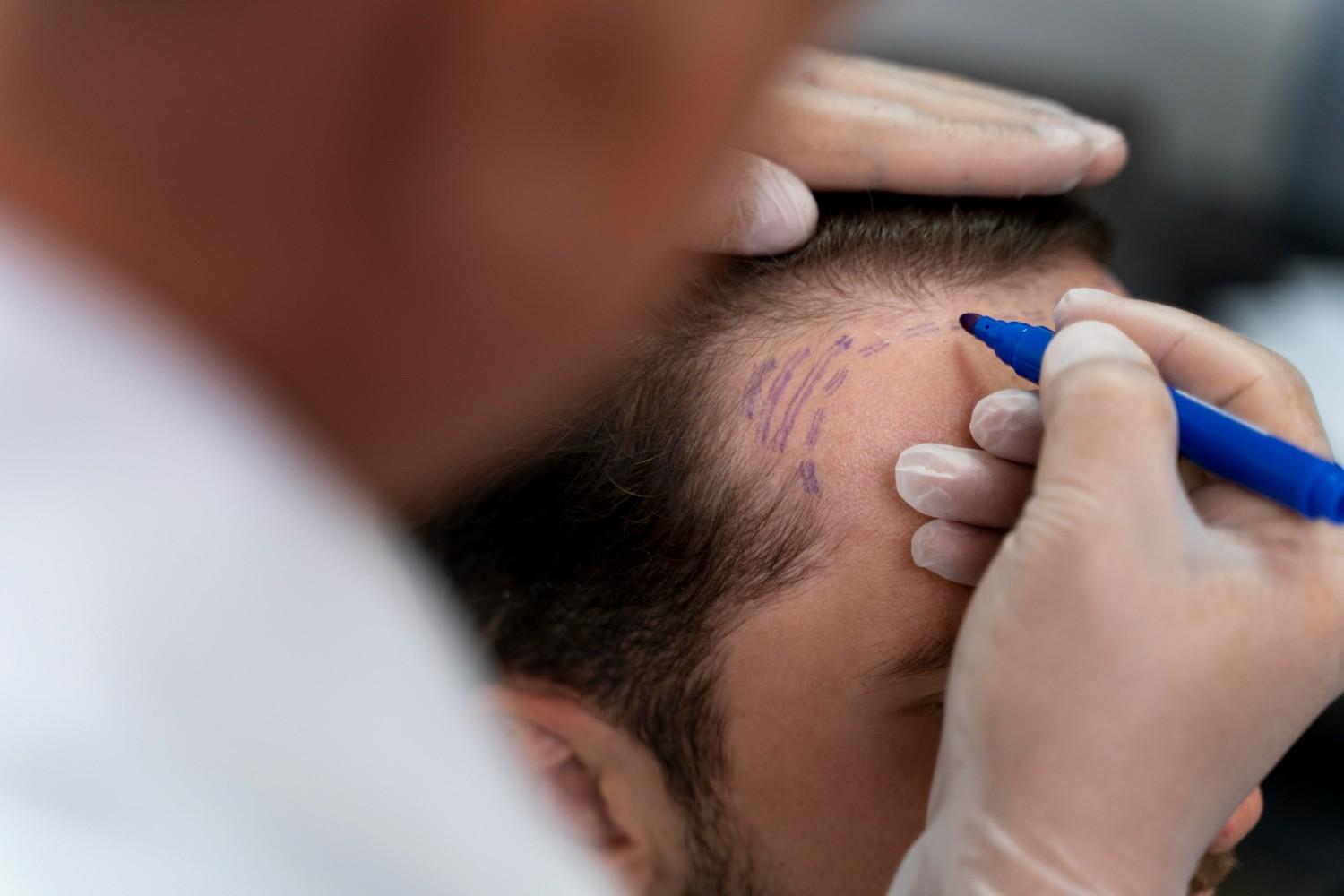
Next, the doctor draws a new hairline that fits your face. This step helps your hair look natural and balanced. The plan makes sure the final result looks just right for you.

Extraction

Then, the doctor takes out small hair roots from the back of your head. The doctor uses a tiny tool, so your skin stays safe. This step is part of the FUE procedure steps, and it helps keep the process gentle.

Implantation

After that, the doctor places each hair root into the thin areas. Each root goes in one by one, so your hair grows in the right direction. This makes your new hair look full and natural.

Aftercare

Finally, the doctor gives you simple care steps to follow at home. You may need to rest and keep your scalp clean. Soon, your skin heals, and you can go back to your normal routine.

FUE Minimal Downtime Procedure Recovery Timeline

Healing happens in small steps, and each stage is easy to follow. Most people feel better fast after a FUE minimal downtime procedure.

  • Day 1 to 3: You may see mild redness on your scalp. Small scabs can form where the doctor placed the hair. You should rest and avoid touching the area.
  • Day 7 to 10: The scabs start to fall off on their own. Your scalp begins to look more normal. At this stage, many parts of the FUE procedure steps show clear healing.
  • Month 1 to 3: Some hair may fall out, and this is called shedding. This is normal and part of the process. New hair starts to grow under the skin.
  • Month 3 to 15: You will see slow and steady regrowth over time. Your hair becomes thicker and fuller. In the end, your results look natural and healthy.

How Fast Can You Return To Normal Life

Most people go back to their normal life very soon after the procedure. A FUE minimal downtime procedure helps you heal fast, so you can return to your routine with ease.

Work (1 To 3 Days)

You can go back to work in a few days. Your scalp may look a little red, but it is easy to manage. Many people feel ready to return quickly because the healing is simple.

Exercise (1 To 2 Weeks)

You should wait before doing hard workouts. Your scalp needs time to heal well. Light movement is okay, but you should avoid sweating too much at first.

Here are some tips to stay safe:

  • Light activity: You can walk or move slowly without stress.
  • Avoid heavy lifting: This helps protect your scalp while it heals.
  • Follow doctor advice: This keeps your healing on track.

Daily Routine

You can do most daily tasks very soon after the procedure. Washing your hair and simple care steps are easy to follow. The FUE healing timeline shows that most people feel normal again within days.

Cost Of A FUE Minimal Downtime Procedure

Average Price Range

The cost can range from $5,000 to $7,000 based on your needs. Many people choose a FUE minimal downtime procedure because it gives strong results and lets them return to normal life fast. You pay for skill, care, and lasting change.

Based On Graft Count

The total cost depends on how many grafts you need. A graft is a small group of hairs that the doctor moves to thin areas. Doctors explain the FUE cost per graft so you can see how the total price is built. If you need more grafts, the cost goes up.

Value And Long Term Results

This treatment gives natural and long lasting results. Your new hair grows over time and blends with your old hair. Many people feel happy because they get real value from one procedure. You do not need to keep buying short term fixes again and again.

Advanced Technologies Used At Hair Transplant Fort Worth

WAW System

The doctor uses a tool shaped to match each hair root. This helps remove hair with care and less stress on the scalp. As a result, the WAW FUE System helps protect healthy roots and supports strong hair growth.

ATERA System

This system uses smart features to help the doctor work faster and with more control. It also keeps the grafts safe during the process. Because of this, the ATERA FUE System helps make the procedure smooth and more comfortable for you.

NeoGraft Technology

This tool uses gentle suction to move hair roots from one area to another. It reduces the need to handle grafts by hand. Many people trust the NeoGraft Hair Restoration FUE System because it helps keep the roots healthy and improves comfort.

Ellis FUE System

This system uses a motor tool to help the doctor move in a steady way. It allows better control during each step of the process. The Ellies FUE system helps create clean work and supports even results across the scalp.

Comfort And Precision You Can Trust

All these tools help the doctor work with care and accuracy. They also help reduce pain and protect your scalp. Because of this, a FUE minimal downtime procedure feels simple and helps you heal faster while getting natural results.

Why Choose Us?

Experienced And Trusted Doctor

You will work with a skilled and caring doctor who understands your needs. Dr. Stefan P. Thiele is a board-certified surgeon with over 7 years of experience in hair care. He focuses on safe steps and natural results for every client.

Personalized Care For Every Client

The team listens to your goals and creates a plan just for you. They check your hair, your health, and your needs before they start. Many people trust a FUE minimal downtime procedure because it fits their lifestyle and helps them heal fast.

Advanced Tools For Better Results

The clinic uses modern tools that help the doctor work with care and control. These tools protect your scalp and improve each step of the process. Because of this, your hair can grow in a natural way over time.

Clear Results You Can Expect

The team explains each step so you know what will happen next. They guide you through the full process from start to finish. The FUE results timeline helps you understand when your new hair will grow and improve.

Care You Can Trust

The clinic puts your comfort and safety first at all times. The team stays with you during each step and answers your questions. Many people search for why choose us? because they want trusted care and strong results they can feel good about.

Who Is A Good Candidate For This Procedure

Mild To Moderate Hair Loss

This treatment works best if you have small to medium hair loss. The doctor checks your scalp and hair pattern first. Many people choose a FUE minimal downtime procedure because it helps fill thin spots in a simple way.

Busy People With Limited Time

This option is great if you have a busy schedule. You can go back to work and daily life in a short time. Because of this, many people like how fast and easy the process feels.

People Who Want Quick Recovery

This treatment is good if you want to heal fast and avoid long rest time. The doctor uses gentle steps to help your scalp recover quickly. Some hair loss causes include age, stress, and family history, so this method helps many people feel better about their hair again.

Want Fast Hair Growth With Less Downtime?

You can restore your hair in a simple and easy way. You will see natural results that improve over time. A FUE minimal downtime procedure helps you get back to your normal life fast. Contact Hair Transplant Fort Worth today to book your consultation.

FAQs

How long does the procedure take?

The procedure usually takes about 5 to 8 hours. The time depends on how many grafts you need.

Is the procedure painful?

The doctor numbs your scalp before starting. You may feel slight pressure, but most people feel very little pain.

How soon can I go back to work?

Most people return to work in 1 to 3 days. You can do light tasks, but avoid heavy activity for a short time.

When will I see new hair growth?

You may see new hair start to grow after 3 months. Full results usually appear between 9 to 15 months.

Will the results look natural?

Yes, the doctor places each hair carefully. This helps your hair look natural and blend well with your existing hair.

How Do I Choose The Best Hair Transplant Surgeon In Fort Worth For Male Pattern Baldness?

Finding the best surgeon for male baldness requires prioritizing board-certified specialists, reviewing extensive before-and-after photos, and ensuring modern procedures like FUE or FUT are offered. Experienced doctors such as Dr. Stefan P. Thiele also focus on customized treatment planning.

At Hair Transplant Fort Worth, patients receive personalized care using advanced hair restoration technology. Each consultation reviews hair loss patterns, medical history, and goals. This approach helps patients understand treatment options and plan procedures designed to achieve natural looking hair restoration results.

Why Finding The Right Surgeon Matters

Natural Hairline Design

A natural hairline helps hair look real and full. The doctor must study how hair grows on your head. Then the doctor places each graft with care. This step needs skill and patience. A board certified hair restoration surgeon understands how to shape a hairline that fits your face. Because of this, the result can look smooth and natural.

Strong Graft Survival Rate

Hair grafts must stay healthy after the procedure. A skilled doctor places grafts with care and gentle tools. This helps the grafts grow well after surgery. Good graft survival leads to thicker and fuller hair. As a result, many people search for the best surgeon for male baldness when they want strong and lasting results.

Long-Term Hair Growth

Hair restoration should help hair grow for many years. The doctor must plan where new hair should grow. This plan helps the hair blend with your natural hair later in life. Therefore, careful planning supports steady and natural hair growth.

Patient Safety

Patient safety is always important. Skilled doctors follow safe medical steps before, during, and after treatment. Clean tools and modern technology help lower risk. Good care also helps healing happen faster. This is one reason many people ask why choose us when looking for trusted care.

Skill And Artistic Planning

Hair restoration is both science and art. The doctor must understand medical care and also design natural hair patterns. Careful planning helps hair look balanced and realistic. Because of this, experience and precision make a big difference in the final result.

Key Qualifications Of The Best Surgeon For Male Baldness

Choosing the right doctor is very important for safe and natural results. A skilled doctor uses training, experience, and careful planning to help restore hair. Here are important things you should check.

  • Board Certification: Board certification shows that a doctor meets high medical standards. It means the doctor finished advanced training and passed strict exams. Dr. Stefan P. Thiele is a board-certified general and cosmetic surgeon who performs hair restoration procedures.
  • Years Of Surgical Experience: Experience helps doctors improve their technique and judgment. Dr. Thiele has more than five years of experience performing hair restoration procedures. He also has nearly ten years of cosmetic surgery experience and over twelve years of general surgery practice.
  • Specialized Training In Hair Restoration: Hair restoration needs careful skill and special training. Dr. Thiele performs FUE, FUT, facial hair transplants, beard transplants, mustache transplants, and eyebrow procedures. His training also includes wound care and cosmetic surgery techniques.
  • Reputation In The Medical Field: A trusted doctor earns respect through patient care and good results. Dr. Thiele works closely with each client and stays involved in every procedure. Patients value doctors who take time to plan and deliver natural looking results.

These factors help you see if a doctor has the right skills and experience. They also show if the doctor follows safe medical steps. This makes it easier to find the best surgeon for male baldness.

Experience Matters When Choosing The Best Surgeon For Male Baldness

Experience plays a big role in hair restoration results. A skilled doctor learns more with every procedure. Practice helps the doctor improve speed, care, and accuracy. This is why experienced specialists often deliver better results.

Thousands Of Graft Placements

Hair restoration uses small hair grafts taken from healthy areas of the scalp. The doctor must place each graft in the right spot. Skilled doctors perform this step many times over their careers. As a result, their hands become steady and precise. Experience also helps the doctor protect each graft during the process.

Understanding Hair Growth Patterns

Hair does not grow the same way for everyone. A doctor must study how your hair grows and where it thins. Careful study helps the doctor create a treatment plan that fits your needs. Because of this, an experienced doctor can treat male pattern baldness with better planning and care.

Designing Natural Hairlines

Hairlines must look natural and balanced. The doctor must match the hairline to the face shape and age of the client. Careful design helps the hair blend with existing hair. Good planning helps hair look natural even years later.Experience helps the best surgeon for male baldness create fuller and more natural hair density. Many patients trust a male pattern baldness treatment specialist because they focus on this type of hair loss.

Review Before And After Results Carefully

Photos and videos help you see real results from past procedures. They show how a patient looked before treatment and how their hair looked after healing. This makes it easier to understand the doctor’s work. You can also see how natural the results appear over time.

Hairline Shape

The hairline is one of the most important parts of hair restoration. A good doctor designs a hairline that fits the patient’s face and age. The doctor must place each graft at the correct angle and direction. This careful work helps the hairline look soft and natural instead of straight or unnatural.

Density Improvements

Density refers to how full and thick the hair looks. After treatment, the scalp should look less visible because more hair covers the area. Photos can show how much thickness improved after the procedure. Strong density often means the doctor placed the grafts with skill and care.

Natural Appearance

The final result should look like natural hair growth. The transplanted hair must blend well with the existing hair. Videos can help you see how the hair moves and how it looks in different lighting. Because of this, visual results give a better idea of the doctor’s technique.Looking at real patient results can help you understand the doctor’s skill and consistency. This step allows you to compare different doctors and their work. Many patients use these results to help them find the best surgeon for male baldness.

Technology Used At Hair Transplant Fort Worth

Modern tools help doctors work with more care and better results. These tools protect hair roots and improve how grafts grow. They also help make the process faster and safer.

WAW FUE System

The WAW FUE system uses a special tool that matches the shape of each hair root. This helps the doctor remove grafts without harming them. As a result, more grafts stay healthy and ready for placement. This also helps reduce damage to the scalp.

ATERA Technology

The ATERA FUE System uses a motor to help remove hair grafts with steady speed. The tool works smoothly and helps the doctor stay precise. Because of this, the process becomes faster and more accurate. It also helps protect the skin during extraction.

NeoGraft System

NeoGraftFUE System uses gentle suction to remove and collect hair grafts. This method helps speed up the process while keeping grafts safe. The system also reduces the need for manual handling. As a result, grafts stay strong and ready for use.

Ellis FUE System

The Ellis FUE system uses automated tools to improve accuracy. It helps doctors remove grafts with less effort and more control. This process also lowers the risk of cuts and damage. Because of this, patients may feel more comfort during the procedure.These tools help doctors work with better control and care. They support faster healing and more natural results. This is one reason many people trust the best surgeon for male baldness to use modern and proven technology.

Ready To Restore Your Hair With The Right Expert?

Finding the best surgeon for male baldness can help you regain natural looking hair and confidence. At Hair Transplant Fort Worth, our team focuses on safe care and natural results. Our specialists use advanced methods to help restore fuller hair. Contact us at (817) 586-4269 to schedule your consultation today.

FAQs

1. How do I know if I am a good candidate for hair restoration?

Most people with thinning hair or receding hairlines may qualify for hair restoration. A doctor will examine your scalp and hair pattern during a consultation. The doctor will also review your medical history and hair loss goals before recommending treatment.

2. How long does a hair restoration procedure take?

Most procedures take several hours depending on the number of grafts needed. Some sessions may last four to eight hours. The doctor will explain the expected treatment time during your consultation.

3. When will I see results after the procedure?

Hair usually begins to grow within three to four months after treatment. Full results often appear between nine and twelve months. Hair growth happens slowly as the new follicles settle and grow.

4. Is the recovery process difficult?

Most patients return to normal activities within a few days. Mild redness or swelling may appear at first but usually fades quickly. Your doctor will provide clear aftercare instructions to help healing.

5. How long do hair restoration results last?

The transplanted hair usually grows for a lifetime. These hair follicles come from areas that resist hair loss. Proper care and healthy habits can help maintain strong and natural results.

Which Fort Worth Hair Transplant Providers Are Best for Treating Early-Stage Baldness?

Leading options among the best Fort Worth hair transplant clinics early baldness include clinics offering advanced, minimally invasive FUE methods like Atera or NeoGraft, robotic-assisted procedures, and customized solutions designed specifically for early-stage hair restoration. These providers focus on natural-looking, minimally invasive techniques ideal for addressing early thinning.

If you are exploring solutions, Hair Transplant Fort Worth offers personalized care plans designed for early hair loss. Their team focuses on natural results, using advanced techniques to help improve hair density while ensuring a comfortable and guided treatment experience.

Best Fort Worth Hair Transplant Clinics Early Baldness

What Makes a Clinic the Best

A good clinic helps people with early hair loss feel safe and confident. It listens first and explains each step in a simple way. The best Fort Worth hair transplant clinics early baldness focus on early care, so people get help before hair loss gets worse. They also keep things clear, so clients understand what will happen and why it matters.

Experience You Can Trust

Doctors with years of practice know how to handle early hair loss better. They have seen many cases, so they understand what works best. They study hair patterns and choose the right method for each person. Because of this, clients often get better and more natural results.

Modern Technology That Helps

Good clinics use safe and modern tools to treat hair loss. These tools help place hair in a careful and gentle way. They also reduce pain and speed up healing. As a result, clients can go back to normal life faster and feel more comfortable during the process.

Results That Look Natural

Strong clinics focus on results that look real and soft. They place each hair in the right direction, so it blends well. Over time, the hair grows and looks like it has always been there. This helps people feel more confident in their daily life.

A Trusted Local Option

Many people choose Hair Transplant Fort Worth because it offers simple plans for early hair loss. The team explains every step clearly and focuses on natural results. They guide clients from start to finish, so the process feels easy and stress-free.

Why Early Treatment Matters for Hair Loss

What Early Hair Loss Looks Like

Early hair loss means your hair starts to thin a little. You may see a small receding hairline or less hair on the crown. It does not look very bad at first, but it can grow over time. So, learning the signs early helps you act fast.

Why Acting Early Helps More

Hair grows better when doctors treat it early. The roots stay stronger, so new hair can grow well. This also helps grafts survive better during a hair transplant. Because of this, many people get thicker and more natural results.

What Causes Hair Loss

Hair loss causes can include genes, stress, or health changes. These things can weaken hair roots over time. Still, early treatment can slow this down and protect the hair you still have.

How Early Care Gives Better Results

Doctors often say early care leads to the best results. The best Fort Worth hair transplant clinics early baldness focus on early stages because the hair area is easier to treat. This helps create fuller and more natural-looking hair.

Best Treatments for Early-Stage Baldness in Fort Worth

FUE Hair Transplant Fort Worth

Doctors take small hair roots from the back of your head and place them in thin spots. This method keeps the skin smooth, so it leaves no long scar. Healing is quick, and most people feel fine after a short time. Many people choose this option because it looks natural and feels gentle, and it is known as a FUE hair transplant.

PRP Hair Treatment Early Hair Loss

Doctors take a small amount of your blood and use a special part of it to help your hair grow. They place it on the scalp to wake up weak hair roots. This helps hair grow thicker and stronger over time. It also works well for people who want a simple and safe option. Many clients ask why choose our clinic, and one reason is the use of safe and helpful treatments like this.

Laser Hair Therapy

This treatment uses soft light to help your hair grow better. It does not need cuts or surgery, so it feels easy and safe. The light helps improve blood flow in the scalp, which feeds the hair roots. Over time, hair may look fuller and healthier. Doctors often use this with other treatments, so results can improve even more.

How to Pick the Right Hair Clinic for Early Hair Loss

Choosing a good clinic can feel hard, but you can keep it simple. You just need to check a few key things before you decide. Many of the best Fort Worth hair transplant clinics early baldness focus on clear care, safe tools, and strong results.

Key Things to Look For

Here are simple things to check before you choose a clinic:

  • Experience: Doctors with more years of work know how to treat early hair loss well. They have helped many people, so they understand what works best.
  • Technology: Good clinics use modern tools like Ellis System, WAW System, ATERA System, and NeoGraft System. These tools help make the process smooth and safe.
  • Results: Always look at before and after photos. This helps you see if the hair looks real and natural.
  • Consultation Process: A good clinic will talk with you first. They will check your hair and give a simple plan made just for you.

What to Expect During a Hair Transplant Consultation?

Step by Step Process

A doctor will guide you through each step in a simple way. First, they will ask about your hair loss and your goals. Then, they will explain what can help you. You will also learn what the process looks like from start to finish, so you feel calm and ready.

Hair Check and Analysis

The doctor will look closely at your hair and scalp. They will check how strong your hair roots are and where hair is thinning. This helps them understand your hair loss stage. Because of this, they can choose the best way to treat your hair.

Custom Treatment Plan

The doctor will create a plan just for you. They will explain what treatment you need and why it fits you best. The best Fort Worth hair transplant clinics early baldness focus on plans that match your hair type and your needs. This helps you get better and more natural results.

Timeline and What Happens Next

The doctor will tell you how long each step will take. They will explain when you may see new hair growth. You will also learn what to do after treatment to help your hair grow well. This makes the whole process easy to follow.

Ready to Fix Early Hair Loss Today?

If you are looking for the best Fort Worth hair transplant clinics early baldness, Hair Transplant Fort Worth can help you take the next step with ease. Their team offers simple plans and clear guidance, so you can feel confident. You can schedule a consultation to learn what works best for your hair.

FAQs

1. What is early-stage baldness?

Early-stage baldness means your hair is just starting to thin. You may notice a receding hairline or light thinning on the crown.

2. Is a hair transplant safe for early hair loss?

Yes, doctors use safe and proven methods. They also check your hair first to make sure the treatment fits your needs.

3. How long does it take to see results?

You may see new hair start to grow in a few months. Full results often show after several months.

4. Do hair transplant treatments hurt?

Most people feel only mild discomfort. Doctors use numbing methods to keep you comfortable during the process.

5. Can I go back to normal activities after treatment?

Yes, most people return to normal life in a short time. Your doctor will guide you on what to do after the treatment.

Where in Fort Worth Can I Book A Consultation to See if I am A Good Candidate for A Hair Transplant?

A good candidate for a hair transplant is someone who wants to fix hair loss in a safe and smart way. This topic matters for people who want to know if a doctor will approve their hair goals. Many people see early hair loss and do not know what to do. Others want to improve their look but fear surgery or cost. A quick consultation can give clear answers about what is possible. It can also show if there is enough donor hair and if the scalp is healthy. This first step helps you learn what treatment fits your needs and your expectations.

In Fort Worth, interested clients can get real help at Hair Transplant Fort Worth. Here, the goal is to make the first visit simple and stress free. You can speak with a trained hair doctor and share your goals. The doctor checks your hair history and looks at your scalp. You learn how the process works, how long it takes, and what results you may expect. This gives you the confidence to move forward with care and with good information.

What Makes a Good Candidate for a Hair Transplant?

Hair Loss Patterns

A good candidate for a hair transplant usually shows clear and steady hair loss patterns. The thinning often happens on the top or front of the scalp. Steady hair loss helps the doctor plan a long lasting result. Sudden or changing hair loss can make the treatment harder to predict. A Fort Worth consultation can help confirm the pattern and timeline of your hair loss.

Age And Expectations

A good candidate for a hair transplant has realistic goals and a mature view of results. Very young clients may continue losing hair after surgery. This can affect future looks and may need another procedure. Older clients benefit from stable hair loss, which helps the doctor plan the right approach. Clear expectations help both the client and the doctor work toward a natural look.

Donor Hair Supply

A good candidate for a hair transplant must have enough donor hair on the back or sides of the scalp. These areas are less likely to thin over time, which makes them reliable for the procedure. If donor supply is low, the doctor may not achieve full coverage. Strong donor hair also affects how dense the final result will look.

Scalp And Skin

A good candidate for a hair transplant has a healthy scalp with no ongoing skin issues. A healthy scalp heals better and supports new hair growth. The doctor checks for redness, scars, or infections before approving surgery. Simple scalp care before surgery can improve results and comfort.

Family Hair History

A good candidate for a hair transplant understands the role of genetics. If close family members experienced hair loss, there is a higher chance of ongoing thinning. Knowing family history helps the doctor plan a long term approach. This prevents future thinning from ruining the transplant area.

Daily Lifestyle Choices

A good candidate for a hair transplant follows healthy lifestyle habits that support healing. Smoking, stress, and poor sleep can slow recovery time. A good diet and steady exercise can help the body heal and grow strong new hair. The doctor may give simple lifestyle tips during your Fort Worth consultation.

Surgery Method Fit

A good candidate for a hair transplant also fits well with the chosen surgery method. Some clients may do well with a FUT hair transplant if they have strong donor hair and want higher graft numbers. Others may choose different methods based on hair type and comfort. The doctor reviews all options and helps match the best method to your needs

Why You Should Book a Fort Worth Consultation for Hair Transplant Evaluation

In Person Check

A good candidate for a hair transplant needs a real in person check before any plan begins. An online photo can help, but it cannot give full detail. During a Fort Worth consultation, the doctor studies the scalp, hair growth, and hair loss areas. This check helps the doctor decide if the client can reach a natural look after treatment. It also helps the client learn what steps come next and what results they can expect. This simple visit gives clear answers and removes many doubts.

Specialist Guidance

A good candidate for a hair transplant benefits from meeting a specialist who works in this field every day. At our Fort Worth practice, hair restoration is the only focus. Clients meet with trained doctors and clinicians who explain every step of the process. They give honest guidance on hair loss causes and long term care. They do not rush, and they only take one or two cases at a time. This gives every client full attention and proper care. Clients also learn about different options such as FUT hair transplant or FUE hair transplant depending on their needs.

Tools And Testing

A good candidate for a hair transplant also benefits from modern tools during the visit. Our Fort Worth consultation may include scalp imaging, density checks, and donor hair checks. These tools help the doctor measure how much hair can be moved safely. Our clinic offers advanced systems such as WAW, ATERA, Ellis, and NeoGraft. These systems help the doctor plan safe graft removal and natural hair placement. With these modern tools, clients see clear plans and learn how hair restoration works in a simple way.

Why Choose Our Clinic?

Our center in Fort Worth focuses only on hair restoration, and that makes a major difference. We offer custom plans instead of one size fits all care. Provide FUT, FUE, PRP, SMP, and other solutions for different hair loss needs. We offer mega sessions up to 4,000 grafts, and we keep prices fair. Our staff is friendly, and our doctors stay hands on during the whole process. We also offer 0 percent financing to make care easier for clients. All these benefits help a good candidate for a hair transplant feel informed, safe, and supported during the journey.

What Happens During a Hair Transplant Consultation in Fort Worth?

Review Of History

A good candidate for a hair transplant begins with a clear review of medical and hair loss history. The doctor listens to the client’s concerns and asks simple questions. These questions often include family hair loss causes, past treatments, medications, and lifestyle habits. This helps the doctor understand when hair loss started and how fast it has changed. This review builds a complete picture and prepares the doctor for the next steps in the Fort Worth consultation.

Donor Area Check

A good candidate for a hair transplant must have a healthy donor area with steady growth. The doctor checks the back and sides of the scalp to find strong hair. These areas usually hold enough hair for safe transplant work. The doctor also checks for scalp health, scars, infections, or skin concerns. This check shows if the scalp can heal well and support new growth. A healthy scalp makes the process smoother and safer for the client.

Planning And Tools

A good candidate for a hair transplant benefits from a simple planning talk with the doctor. During this talk, the doctor explains different treatment options and how they work. The doctor also shows how modern tools and systems help make the work safe and precise. These tools help with graft removal and placement to build a natural look. The planning part helps the client learn which approach fits their needs and hair goals.

Price And Schedule

A good candidate for a hair transplant receives clear details on cost, timing, and expected results. The doctor explains how long the procedure may take and how long recovery may last. The clinic provides clear prices and payment options so the client can plan ahead. The doctor also explains how much hair may grow back and when results will appear. This part helps the client feel informed, prepared, and comfortable before taking the next step.

How a Doctor Decides if You Are a Good Candidate for a Hair Transplant

Checking Hair Thickness

A doctor checks hair thickness and donor density to decide if someone is a good candidate for a hair transplant. Thick and dense donor hair gives better coverage. Thin donor hair may limit results. The doctor explains these factors in simple terms during a Fort Worth consultation.

Looking At Hair Texture

A doctor studies hair texture to see how the hair will blend after treatment. Curly, straight, fine, and coarse hair can all react in different ways. Texture can affect styling, coverage, and the final shape of the hairline. This step helps the doctor plan a natural look.

Testing Scalp Flexibility

A doctor checks scalp flexibility, which means how loose or tight the skin feels. A flexible scalp often makes placement easier and more comfortable. A tight scalp may limit how many grafts can fit in each area. This check helps the doctor decide the safest approach.

Studying Hair Patterns

A doctor studies hair patterns to see how the hair has thinned over time. Many people deal with male pattern baldness, which follows a clear pattern on the scalp. Pattern checks help the doctor plan future coverage. This step is important because the doctor wants to avoid gaps or new thinning around the treated area.

Reviewing Family History

A doctor reviews family history to understand long term hair loss risks. If parents or relatives lost hair early, the client may continue thinning as well. This check helps the doctor plan for future changes. It also helps set fair and healthy expectations for results.

Setting Realistic Goals

A doctor talks with the client about goals to see if they are realistic. A good candidate for a hair transplant understands that results take time and may not look perfect overnight. Clients learn about growth time, care, and styling. The doctor uses this talk to help the client make a confident and informed choice.

Discover Your Treatment Options

Learn about the best methods, technologies, and expected results for your hair needs. Call us today to schedule a consultation and get a clear, personalized plan.

FAQs

1. Am I a good candidate for a hair transplant?

A good candidate for a hair transplant usually has steady hair loss, enough donor hair, and healthy scalp conditions. A doctor will confirm this during a Fort Worth consultation and review factors such as age, family history, and goals.

2. What happens during a hair transplant consultation in Fort Worth?

During the visit, the doctor reviews your medical history, checks your scalp, measures donor hair, and explains different treatment options like FUT and FUE. You will also learn about pricing, timelines, and expected results.

3. Does family history affect hair transplant results?

Yes. Genetics can guide how hair loss develops over time. If hair loss runs in the family, the doctor may plan long term coverage to reduce future thinning and maintain a natural look.

4. Which hair transplant techniques are available in Fort Worth?

Many clinics in Fort Worth offer FUT and FUE hair transplant methods, along with advanced tools like WAW, ATERA, Ellis, and NeoGraft. Facial hair restoration options are also available for beard, mustache, and eyebrow areas.

5. How long will it take to see results after a hair transplant?

Most clients see visible changes after several months, with fuller results appearing within a year. The timeline depends on growth cycles, overall health, and proper aftercare. Your doctor will explain the expected schedule during your consultation.

Skip to content