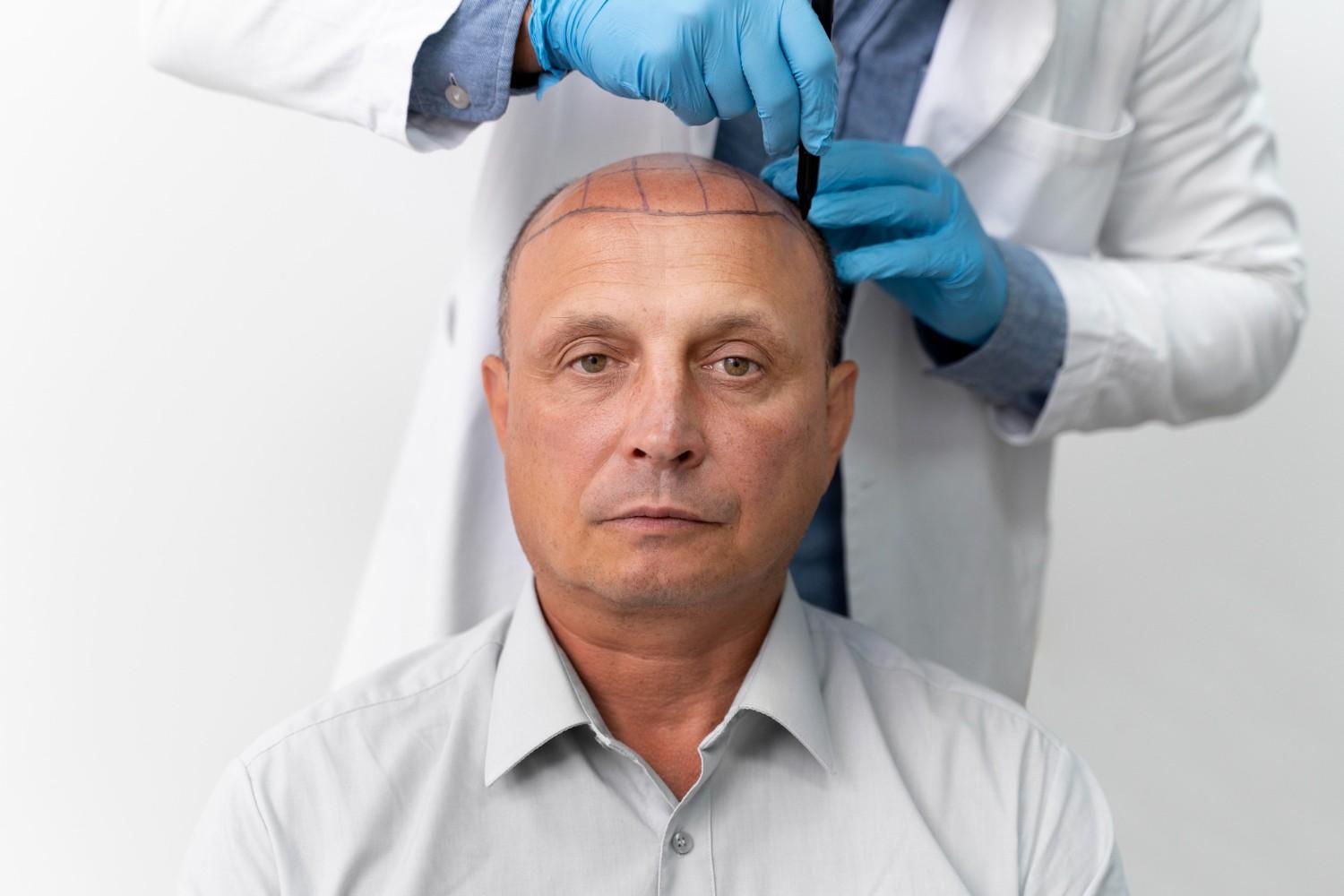
An FUE (Follicular Unit Extraction) procedure for Fort Worth thinning crown restoration is an excellent, minimally invasive solution for a thinning crown. It permanently moves healthy donor hair to balding areas without leaving a linear scar. Expect to pay roughly $4,500 to $15,000 depending on your graft needs.
At Hair Transplant Fort Worth, clients receive personalized evaluations to determine the right number of grafts for their crown restoration goals. Advanced FUE technologies and customized treatment plans help create natural-looking density while supporting long-term hair growth and confidence.
What Causes a Thinning Crown?
A thinning crown can happen for many reasons. Some people lose hair because of their genes, while others notice changes as they get older. In some cases, daily habits and health issues can also affect hair growth. Learning about these factors can help you understand what may be causing hair loss and what steps you can take next.
Genetics and Family History
Genes play a big role in hair growth. If people in your family have lost hair, you may have a higher chance of losing hair too. Male pattern baldness often runs in families and can slowly affect the crown area over time.
Some common signs include:
- Family history: Hair loss may affect several family members.
- Slow changes: Hair often becomes thinner little by little.
- Crown thinning: The top of the head is a common area for hair loss.
These changes may start early in life or appear later. As a result, many people notice a wider or less full crown as the years pass.
Age and Hair Growth Changes
Hair naturally changes as you get older. Hair follicles may produce thinner strands, and new hair may grow more slowly. Fort Worth thinning crown restoration is often sought by people who want to improve the look of thinning hair as these age-related changes become more noticeable.
Over time, hair may lose some of its thickness and volume. Because of this, the crown can appear less dense even when hair is still growing.
Lifestyle and Health Factors
Daily habits and health concerns can also affect hair growth. Stress, poor eating habits, and some medical conditions may weaken hair and lead to shedding. Many hair loss causes can work together and make crown thinning more noticeable.
Some factors that may affect hair health include:
- Stress: High stress levels can increase hair shedding.
- Nutrition: The body needs vitamins and minerals for healthy hair.
- Medical conditions: Certain illnesses may affect normal hair growth.
These issues do not always lead to permanent hair loss. However, treating the cause can often help support healthier hair growth.
How FUE Helps Restore a Thinning Crown
FUE is a popular way to restore hair in the crown area. This method moves healthy hair from one part of the scalp to areas with less hair. It can help create a fuller look while keeping the results natural.
What Is FUE?
FUE stands for Follicular Unit Extraction. During this procedure, a doctor removes individual hair follicles from a donor area and places them where hair is thin. Many people choose a FUE hair transplant in Fort Worth because it offers a precise way to improve hair coverage.
How Grafts Are Placed
The crown has a natural swirl pattern that makes hair grow in different directions. A skilled doctor places each graft to match this pattern, which helps the new hair blend with the surrounding hair. Because of this careful approach, Fort Worth thinning crown restoration can create results that look smooth and natural.
Some important goals during graft placement include:
- Match hair direction: New hair follows the natural growth pattern.
- Create even coverage: Hair is spread across thin areas.
- Keep a natural look: The crown keeps its normal shape.
These steps help the restored hair look more balanced and realistic.
Why FUE Is a Popular Choice
Many people like FUE because it does not leave a long linear scar on the scalp. The procedure is also less invasive than some older methods, so recovery is often easier. In addition, the results can look very natural when an experienced doctor performs the treatment.
Some benefits of FUE include:
- No linear scar: The procedure removes follicles one at a time.
- Less invasive: It uses small extraction sites.
- Natural appearance: Hair grows in a way that blends with existing hair.
The total hair restoration cost can vary based on the number of grafts needed and the size of the crown area being treated.
Is FUE Effective for Crown Thinning?
FUE can help many people who have thinning hair in the crown area. The procedure moves healthy hair follicles to spots with less hair. As a result, the crown can look fuller and more even over time.
Suitable Candidates
FUE works best for people with mild to moderate crown thinning. A person should also have enough healthy donor hair for the doctor to move to the thinning area. Many people choose Fort Worth thinning crown restoration when they want to improve crown coverage and still have a good supply of donor hair.
Expected Density Improvements
FUE can make the crown look thicker, but it may not bring back the same density a person had as a child. A doctor places grafts carefully to improve coverage and create a natural look. Because every person is different, results can vary based on hair type, donor hair quality, and the size of the thinning area.
Long-Term Results
The transplanted hair follicles usually keep growing after they settle into their new location. These follicles often come from areas that resist hair loss, which helps them last for many years. However, natural hair around the crown may continue to thin, so some people may need ongoing care to maintain their results.
How Many Grafts Are Needed for a Thinning Crown?
The number of grafts needed depends on how much hair loss is in the crown area. A small thin spot may need fewer grafts, while a larger area may need more. The crown often needs extra planning because hair grows in a circular pattern.
Small Crown Areas
A small thinning crown may need about 500 to 1,000 grafts. The doctor places these grafts in areas with lower hair density to improve coverage. As a result, the crown can look fuller while still keeping a natural appearance.
Moderate Crown Thinning
A moderate thinning crown may need about 1,000 to 2,000 grafts. The doctor spreads the grafts across a larger area to create better density and balance. Many people seeking Fort Worth thinning crown restoration fall into this range because the crown has noticeable thinning but still has some existing hair.
Advanced Crown Hair Loss
A large crown area with significant hair loss may need 2,000 grafts or more. The doctor may recommend a larger session or multiple sessions to achieve the desired coverage. Because the crown covers a wide area and has a natural swirl pattern, it often needs more grafts than people expect.
What to Expect During the FUE Crown Restoration Process
The FUE process follows several steps to help restore hair in the crown area. Each step focuses on creating natural-looking results while keeping the procedure as comfortable as possible.
Consultation and Hair Assessment
The process starts with a consultation. The doctor checks your hair loss pattern, looks at your donor hair, and talks with you about your goals. During a Fort Worth thinning crown restoration consultation, the doctor also estimates how many grafts may be needed for the best coverage.
Follicle Extraction
After planning the procedure, the doctor removes healthy hair follicles from the donor area. This area is often at the back or sides of the scalp. The doctor takes each follicle one at a time, which helps protect the surrounding hair and skin.
Crown Graft Placement
Next, the doctor places the grafts into the crown area. Each graft follows the natural direction and swirl pattern of your hair. Because of this careful placement, the restored hair can blend in better with your existing hair.
Recovery and Healing Timeline
Most people can return to many normal activities within a few days. Small scabs may form around the grafts, and these usually fall off as the scalp heals. Over the next few months, new hair begins to grow, and the crown gradually looks fuller.
Protecting Existing Hair Around the Crown
Keeping your existing hair healthy is an important part of crown restoration. Even after treatment, the hair around the crown can continue to thin over time. Because of this, many people use additional treatments to help protect the hair they still have.
Why Ongoing Hair Loss Matters
Hair loss does not always stop after a restoration procedure. The crown area is often one of the last places to lose hair, but it can continue to thin for many years. Many people who choose Fort Worth thinning crown restoration also take steps to help maintain the hair around the treated area.
Treatment Options That May Help
Doctors may recommend treatments that help slow hair loss and support healthy hair growth. Finasteride is a prescription medicine that may help reduce further hair loss. Minoxidil is a topical treatment that people apply to the scalp to help support hair growth. In some cases, Platelet-Rich Plasma (PRP) therapy may help improve hair health by using growth factors from your own blood.
Choosing a Crown Restoration Provider in Fort Worth
Choosing the right provider can make a big difference in your results. A skilled team can create a treatment plan that fits your needs and helps your crown look natural. Taking time to learn about the provider can help you feel more confident about your decision.
Experience With Crown Design
The crown area has a unique swirl pattern that requires careful planning. A provider with experience in crown design knows how to place grafts in the right direction and angle. Many people choose Fort Worth thinning crown restoration services from providers who understand how to create natural-looking crown coverage.
Personalized Treatment Planning
Every person has a different hair loss pattern, donor hair supply, and goal. A good provider takes time to examine your scalp and build a treatment plan just for you. When looking at why we choose our information, check whether the practice offers customized care instead of a one-size-fits-all approach.
Some signs of personalized care include:
- Hair assessment: The provider checks your hair loss pattern.
- Graft planning: The team estimates the right number of grafts.
- Goal discussion: Your expectations and concerns are reviewed.
These steps help create a plan that matches your needs.
Technology and Technique Options
Modern technology can help improve the accuracy and efficiency of a procedure. Some clinics offer advanced FUE systems and other hair restoration treatments to support different goals. Dr. Stefan P. Thiele uses advanced hair restoration technologies and a hands-on approach to help clients receive personalized care.
Some technologies and options may include:
- Advanced FUE systems: Designed to improve graft harvesting.
- PRP therapy: May help support hair health.
- Multiple treatment options: Different solutions for different needs.
These tools can help providers create a treatment plan that fits each person.
Before and After Results
Before-and-after photos can help you see the type of results a provider has achieved for past clients. These images can show hair density, crown coverage, and overall appearance. Hair Transplant Fort Worth encourages people to review real results and discuss their goals during a consultation before choosing a treatment.
Ready to Improve Your Crown Coverage?
If you are thinking about Fort Worth thinning crown restoration, the team at Hair Transplant Fort Worth can help you explore your options. We provide personalized evaluations and advanced treatment solutions to help you achieve natural-looking results and greater confidence. Contact us today to schedule your consultation.
FAQs
Can FUE restore a thinning crown?
Yes. FUE can help restore hair in a thinning crown. The procedure moves healthy hair follicles from one area of the scalp to areas with less hair. This can make the crown look fuller and more natural.
How many grafts are needed for crown restoration?
The number of grafts depends on the size of the thinning area. A small crown may need about 500 to 1,000 grafts, while a larger crown may need 2,000 grafts or more. Your doctor will recommend the right amount during your consultation.
How long does crown restoration take to show results?
Most people start to see new hair growth within a few months. Hair usually becomes thicker and fuller over time. Final results often appear between 12 and 18 months after the procedure.
Is FUE permanent for crown thinning?
FUE can provide long-lasting results because the transplanted hair follicles often continue to grow in their new location. However, natural hair around the crown may still thin as you get older.
Can medications help maintain crown density after treatment?
Yes. Some doctors may recommend medications such as finasteride or minoxidil to help slow future hair loss. These treatments may help protect existing hair and support long-term results.