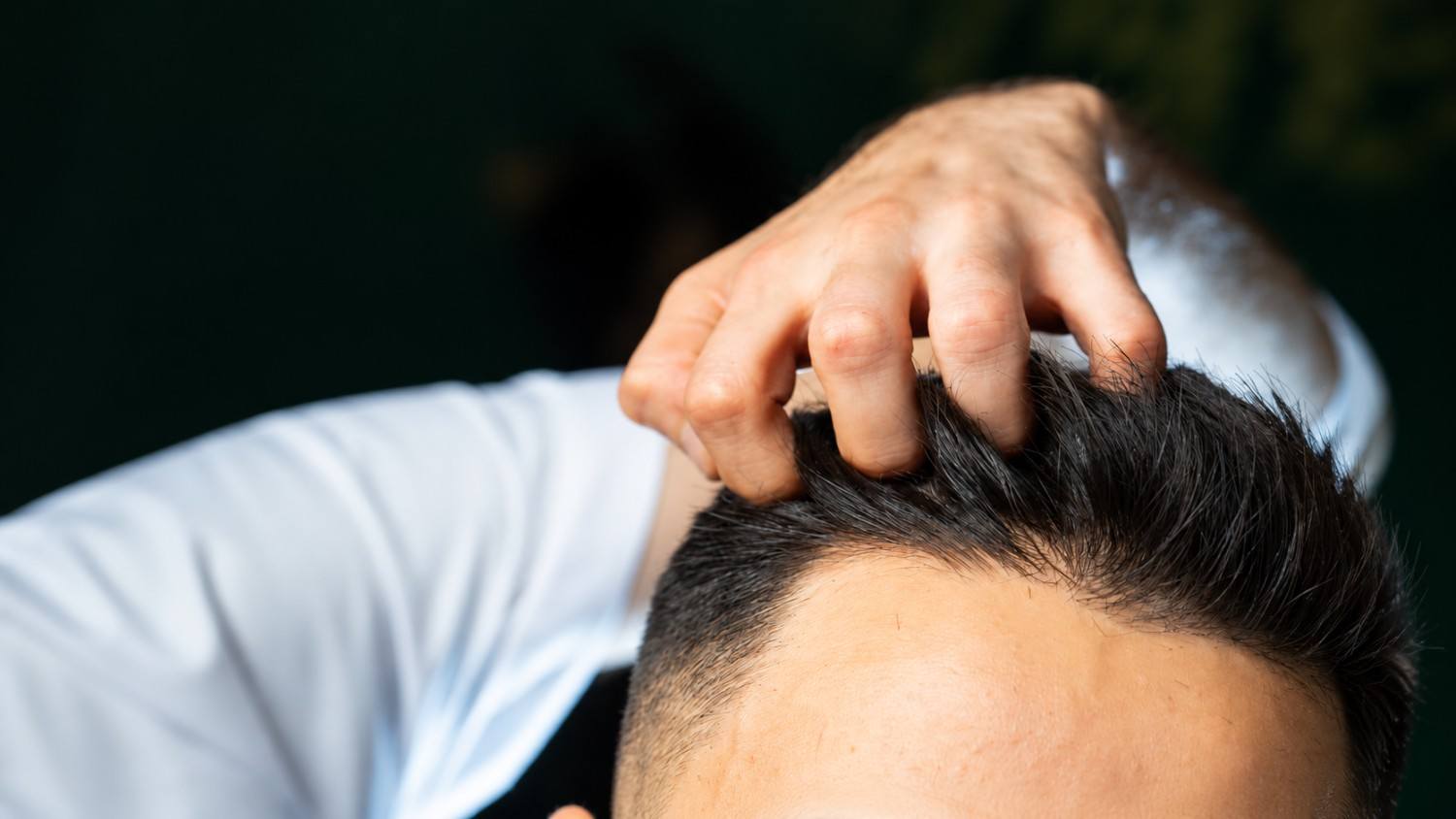
For most patients, typical hair restoration downtime lasts 7 to 14 days before they feel comfortable returning to work and public activities. Mild swelling, redness, tenderness, and small scabs may appear during the first week. These effects often improve as the scalp heals, but recovery can vary based on the procedure and individual response.
Hair Transplant Fort Worth provides personal recovery instructions based on the chosen method, treated area, health history, and healing needs. Patients should follow all washing, sleeping, exercise, and scalp care directions. A consultation can also help patients understand what to expect during each stage of recovery.
What Does Downtime Mean After the Procedure?
Time Away From Work
You may need a few days away from work. Your job type can affect how much time you need. Desk work may allow an earlier return, while hard labor may need a longer break. Typical hair restoration downtime can vary for each person.
Redness, Swelling, and Scabs
Your scalp may look red or feel sore at first. Mild swelling can also form near the treated area. Small scabs may cover the grafts as your skin heals. These signs often fade with time.
Limits on Exercise and Heavy Tasks
You should avoid hard exercise and heavy lifting during early healing. These tasks can raise blood flow and cause more swelling. Sweat may also bother your scalp. Light walks may be safe, but follow your doctor’s advice.
Healing and Hair Growth
Your skin may heal before new hair starts to grow. Recovery time after restoration is much shorter than the full growth process. The treated hairs may shed before new growth begins. Full growth can take several months, so you must give your scalp time.
How Long Does the Initial Recovery Take?
The first stage of healing often takes about two weeks. Most swelling, redness, soreness, and scabs improve within 7 to 14 days. Each person may heal at a different speed. Follow your doctor’s care steps during this time.
Days One to Three
Your scalp may feel sore or tender during the first few days. Mild redness and swelling may also appear. The swelling can become easier to see during this time, but it should start to ease. Typical hair restoration downtime includes this early healing stage. Rest and keep your head raised as your doctor directs.
Days Four to Seven
Small scabs may form around the treated spots. Soreness often starts to ease, although your scalp may still feel tender. Recovery time after restoration depends on your treatment and how fast your skin heals. Some people feel ready for desk work during this stage. A loose hat may hide the treated area if your doctor allows it.
Days Eight to Fourteen
Most scabs start to loosen and fall away during this stage. Redness may also fade, so your scalp can look more natural in public. An FUE hair transplant in Fort Worth may have a different healing path for each patient. Do not pick the scabs because this may harm the healing skin. Follow your doctor’s washing steps instead.
When Can Patients Return to Work?
Many patients take 3 to 5 days away from work. Some return sooner when their job does not need hard physical work. Typical hair restoration downtime can vary based on the job, treatment, and healing speed. Patients should follow their provider’s advice before they return.
- Type of work: Desk work may allow an earlier return. Hard labor may need more healing time.
- Wearing a loose hat: A loose hat may cover redness or scabs. Ask your provider before wearing one.
- Visible redness: Redness may make some patients wait longer before returning to work.
- Number of grafts: A larger treatment area may need more time to heal.
- Personal comfort: Some patients feel ready sooner than others. Choose a return date that feels safe.
- Provider instructions: Follow all care steps from your provider. These steps help protect the treated area.
Jobs that require lifting, bending, sweating, or hard movement may need a longer break. Ask your provider when you can safely return.
What Symptoms Are Common During Recovery?
Swelling
Mild swelling may form on the scalp, forehead, or near the eyes. It may become more clear during the second or third day. Typical hair restoration downtime may include this short period of swelling. Keep your head raised if your provider tells you to do so.
Redness
The skin around the treated spots may look red or pink. This redness often fades as the skin heals. People with sensitive skin may notice it for a longer time. Protect the area and follow your care plan.
Scabbing
Small scabs form as the tiny treatment spots heal. They help protect the skin below. Do not scratch, rub, or pick them. Let the scabs fall off on their own.
Tenderness and Mild Discomfort
Your scalp may feel sore, tight, or tender during early healing. The feeling can vary from one person to another. Use only the care methods or medicine your provider approves.
Itching
Mild itching may start as the skin heals. Avoid scratching because this may harm the treated spots. Follow your provider’s washing and scalp care steps. Contact your provider if the itching feels strong or does not improve.
How Should You Wash Your Hair During Recovery?
Gentle washing often starts within the first few days. Your exact washing steps will depend on your procedure and healing needs. Follow the plan from your clinic. Do not return to your usual hair care routine until your provider says it is safe.
Use the Recommended Shampoo
Use only the shampoo your provider recommends. Strong products may bother your scalp or dry the healing skin. Typical hair restoration downtime includes careful washing and scalp care. Ask your provider how much shampoo to use.
Avoid Strong Water Pressure
Do not aim a strong shower spray at the treated area. High water pressure may harm the grafts during early healing. Use a cup or a soft flow of water if your clinic suggests it.
Do Not Rub or Scratch
Wash the scalp with slow and gentle moves. Do not rub, scrub, or scratch the treated spots. These actions may loosen scabs or harm the healing skin.
Pat the Scalp Dry
Let the scalp air-dry when your provider allows it. You may also pat it with a clean, soft towel. Do not rub the towel across the treated area.
Follow the Clinic’s Washing Schedule
Wash your hair only when your clinic tells you to start. Follow each step for the right number of days. Wait for your provider’s approval before using hot water, strong shampoo, or hair styling products.
When Do the Scabs and Redness Go Away?
Small scabs often start to fall away within 10 to 14 days. Redness may also fade during this time. Some patients may see redness for a longer period. Typical hair restoration downtime can vary because each person heals at a different speed. Never pick or scratch the scabs.
- Skin tone and sensitivity: Skin tone can affect how easy it is to see redness. Sensitive skin may stay red longer.
- Treatment size: A large treated area may need more time to heal. It may also form more scabs.
- Procedure method: Each method affects the scalp in a different way. Ask your provider what you can expect.
- Aftercare: Gentle care can help protect the healing skin. Follow all washing and care steps from your clinic.
- Sun exposure: Sunlight may harm or bother the healing scalp. Wear approved head cover when needed.
- Healing speed: Some people heal faster than others. Health, skin type, and daily habits can affect healing time.
When Does New Hair Growth Begin?
New hair growth takes much longer than early scalp healing. Typical hair restoration downtime may last days, but new growth can take several months. Each patient grows hair at a different speed. The final look can also vary based on the treatment plan and the body’s response.
Months Three to Four
Some patients may see the first signs of new growth during this stage. The new hairs may look thin, soft, or light at first. More hairs may appear as time passes. Some patients may need more time before they notice growth.
Around Month Six
New growth may become easier to see near the sixth month. The hair may start to look longer, darker, and thicker. It may also cover more of the treated area. The final result will not appear at this stage, so patients should stay patient.
Months Twelve to Eighteen
The new hair may keep growing and getting thicker during this stage. The treated area may look fuller as more hairs mature. Some patients may see their final result near month twelve. Others may need up to eighteen months. Growth speed and final results can differ for each person.
What Can Affect Recovery Time?
Each person heals at a different speed. Your treatment, health, daily tasks, and care plan can affect how long recovery takes.
- Treatment method: Each method affects the scalp in a different way. An FUT hair transplant in Fort Worth may need more donor area care because the doctor removes a thin strip of skin.
- Number of grafts: A procedure with more grafts may take longer to heal. It may also cause more redness and scabs.
- Size of the treated area: A larger area may need more care. Typical hair restoration downtime may increase when the doctor treats more of the scalp.
- Skin sensitivity: Sensitive skin may stay red or sore for a longer time. It may also react more to hair products.
- General health: Good health can support the healing process. Recovery time after restoration may vary based on your health and how your body heals.
- Work demands: Desk work may allow an early return. Heavy work may require a longer break.
- Exercise habits: Hard exercise can cause sweat and raise blood flow. Your provider may ask you to pause it.
- Following aftercare instructions: Good care helps protect the scalp. Follow all washing, sleeping, and medicine steps.
- Smoking and alcohol use: Smoking and alcohol may slow healing. Follow your provider’s advice about when to stop or restart them.
- Individual healing response: Some people heal faster than others. Your body will follow its own healing pace.
How Can You Support a Smooth Recovery?
Good care can help protect your scalp as it heals. These steps do not promise faster healing or better results. Each person may heal at a different speed.
Follow Your Care Plan
Read and follow all written care steps from your clinic. Take only approved medicine and use it as directed. Sleep with your head raised when your provider asks. Typical hair restoration downtime may feel easier to manage when you know what care steps to follow.
Protect the Treated Area
Keep your hands away from the treated area. Do not touch, rub, scratch, or pick at the scabs. Protect your scalp from direct sunlight. Avoid tight hats unless your provider approves them. Pause hard exercise, heavy lifting, and other tiring tasks. These actions may cause sweat, pressure, or more swelling.
Stay in Contact With Our Team
Attend each planned follow-up visit so we can check your healing. Hair Transplant Fort Worth can answer questions about washing, sleep, work, and exercise. Contact our clinic if you notice strong pain, heavy bleeding, pus, fever, or swelling that gets worse.
Patients may ask, why choose us? We provide clear care steps and personal support throughout the healing process.
Ready for a Smooth Recovery?
Hair Transplant Fort Worth can help you understand typical hair restoration downtime and plan for each stage of healing. Call us at (817) 586-4269 to book a consultation and get clear care advice.
FAQs
How long does recovery usually take?
Most visible signs improve within 7 to 14 days. Some patients return to desk work after 3 to 5 days. Your treatment method, graft count, job, and healing speed can affect your recovery time.
When can I wash my hair?
Gentle washing often starts within the first few days. Your clinic will explain when and how to wash your scalp. Use the approved shampoo, avoid strong water pressure, and do not rub the treated area.
When can I return to work?
Many patients return to desk work within 3 to 5 days. Jobs that involve lifting, sweating, or hard physical work may require more time. Ask your provider when you can safely return.
Is swelling normal after the procedure?
Mild swelling is common during early recovery. It may appear on the scalp, forehead, or near the eyes. Swelling may peak within the first few days. Contact your provider if it becomes severe or gets worse.
When will new hair start to grow?
Early growth may begin around months three to four. Changes often become easier to see near month six. The hair may keep growing and getting thicker for 12 to 18 months. Results and growth speed vary by patient.