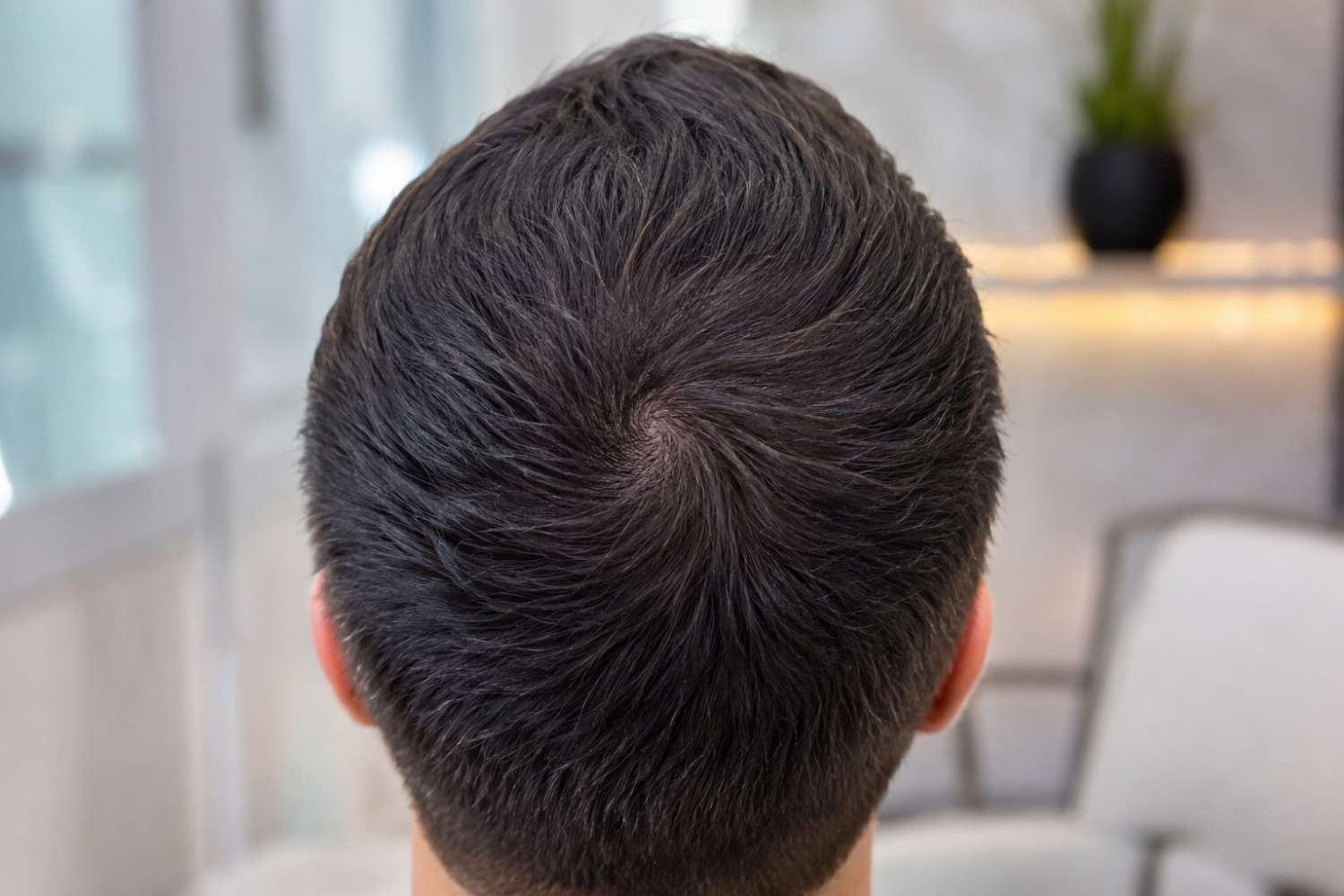
For people with thinning at the back of the scalp, high density crown restoration aims to rebuild coverage in the crown area. The crown, also called the vertex, sits near the upper back of the head. High density means placing hair carefully to create a fuller look. Good coverage can reduce visible scalp, while visible density describes how full the hair appears.
Hair Transplant Fort Worth considers that crown results can differ from person to person. The size of the thinning area, existing hair, donor hair supply, hair thickness, and natural growth pattern can affect the outcome. Careful planning helps create coverage that matches each patient’s hair and restoration goals.
Why Is the Crown a Challenging Area to Restore?
The Crown Has a Natural Whorl
Crown hair often grows in a circle around one center point. This pattern is called a whorl. Each hair may grow at a different angle and in a different direction. High density crown restoration must follow this natural pattern to create a balanced look. Careful graft placement can also help new hair blend with the hair around it.
Crown Thinning Can Cover a Large Area
Hair loss in the crown can spread across a wide area. A larger thin spot may need more grafts to improve coverage. However, doctors must also protect the available donor hair. Coverage helps reduce how much scalp shows, while density affects how full the hair appears. The doctor must balance both when planning where to place each graft.
Lighting Can Change How Density Looks
Bright light can make crown thinning look more clear. Light from above can pass between the hairs and make the scalp easier to see. Hair thickness, hair color, scalp color, and styling can also change how dense the crown looks. For this reason, visible density may look different indoors, outdoors, or under strong overhead lights.
What Determines Crown Restoration Density?
Size of the Crown Area
The size of the crown plays a big role in planning treatment. A small thin area may need fewer grafts than a large bald area. High density crown restoration requires careful planning to spread the available hair across the crown. The goal is to create good coverage without using more donor hair than needed.
Existing Hair Density
Some people still have healthy hair growing in the crown. This existing hair can help the area look fuller. Specialists check how much hair remains and where it grows. Natural crown density restoration should work with this hair, so new grafts can blend with the existing growth.
Donor Hair Supply
Donor hair usually comes from areas with stronger hair growth. Specialists check how much healthy donor hair is available before planning the number of grafts. A good supply may offer more options for coverage. High density crown restoration must also protect donor hair that may be needed for other areas later.
Hair Thickness and Texture
Thick hair can often cover more scalp than very fine hair. Curly or wavy hair may also create the look of more fullness. Specialists look at these features when planning graft placement. Hair type can affect how much visible density a person may get from the available grafts.
Hair and Scalp Contrast
The difference between hair color and scalp color can change how full the crown looks. Dark hair on a light scalp may make thin spots easier to see. Hair with less color contrast may hide the scalp more easily. Specialists consider this difference when planning coverage and setting clear goals.
Future Hair Loss
Hair loss can continue after crown treatment. Specialists may review hair loss causes and the person’s pattern of thinning before making a plan. They also consider age, family history, and existing hair. These factors help specialists plan for possible changes instead of looking at graft numbers alone.
How Do Specialists Plan Crown Graft Placement?
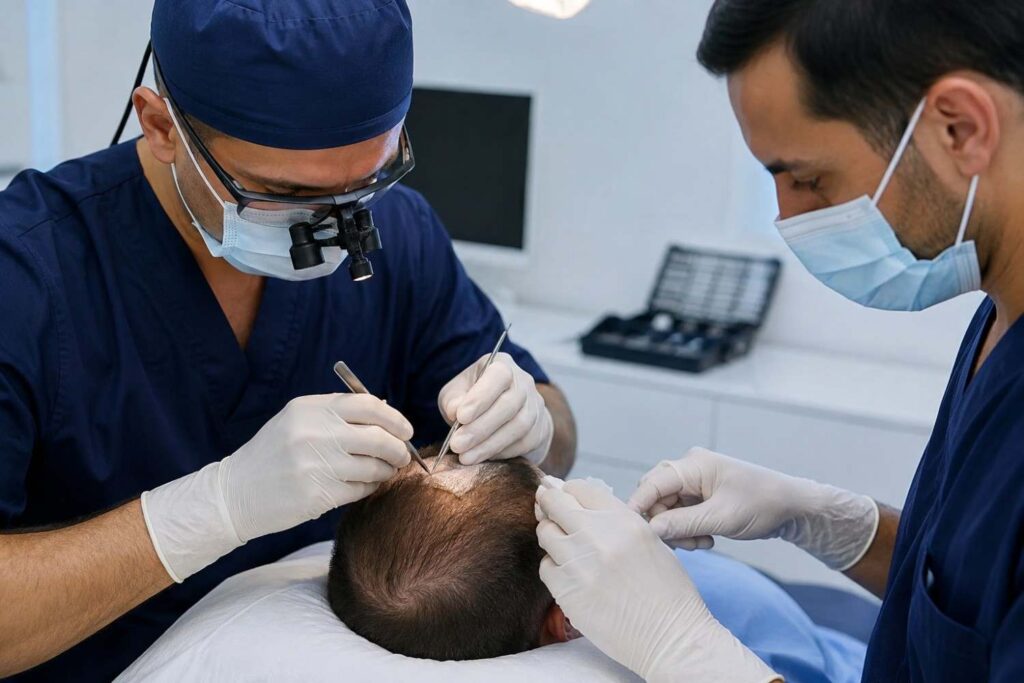
Measure the Thinning Area
Specialists first measure the size and shape of the thin area. This step helps them see how much of the crown needs more hair. They can then plan where grafts may provide the most useful coverage.
Review the Existing Hair
Next, specialists check how much natural hair still grows in the crown. They look at its location, thickness, and growth pattern. Existing hair can help create a fuller look, so specialists plan grafts around healthy strands when possible.
Check the Donor Supply
Specialists also check the amount and quality of donor hair. A strong donor supply can provide more options for treatment. Still, they must use this hair with care because a person may need donor grafts for other areas in the future.
Plan Graft Distribution
Good results do not always depend on placing the highest number of grafts. High density crown restoration focuses on using available grafts in useful areas. Specialists plan the spacing to balance scalp coverage with the look of fuller hair.
Follow Natural Hair Direction
Crown hair grows in different directions. Specialists study these growth paths before placing grafts. They then match the angle and direction of the existing hair, which can help the new growth blend with the surrounding strands.
Recreate the Crown Whorl
The crown often has a circular growth pattern called a whorl. Specialists place grafts around this pattern with care. Matching the natural curve and direction can help the restored crown look more balanced as the new hair grows.
Balance Coverage and Density
Specialists consider the whole crown plan instead of focusing only on graft numbers. They balance the size of the thin area, donor supply, existing hair, and desired fullness. This approach helps use available grafts wisely while aiming for good coverage and natural-looking density.
How Many Grafts Are Needed for Crown Restoration?
There is no set number of grafts that works for every person. Each crown has a different size, shape, and level of hair loss. A small thin area may need fewer grafts than a large bald area. Existing hair also matters because healthy hair can add to the look of coverage.
The amount of donor hair is another key factor. Specialists need enough healthy donor hair to cover the crown without using too much at once. Hair thickness, texture, color, and growth pattern can also affect how full the crown looks. High density crown restoration requires a plan that matches these features and the amount of coverage a person wants.
A personal assessment helps specialists decide how to use the available grafts. They can check the crown, existing hair, donor supply, and hair type before making a plan. For this reason, a graft count should not be promised without an exam. The goal is to use grafts wisely and create balanced coverage that fits each person’s needs.
Which Techniques Can Be Used for Crown Restoration?
Follicular Unit Extraction (FUE)
FUE removes small groups of hair follicles from the donor area one at a time. The doctor then places these grafts into thin areas of the crown. A FUE hair transplant in Fort Worth may use different tools to help with the removal process. High density crown restoration with FUE still requires careful planning for hair angle, direction, spacing, and donor supply.
- WAW FUE System: The WAW FUE system uses a specially shaped tool designed to follow the natural shape of follicular units during removal.
- ATERA: The ATERA FUE system is an automated tool that helps with follicle removal and includes a digital graft counter.
- NeoGraft: The NeoGraft FUE system uses a rotating punch and suction to help remove and collect follicular units.
- Ellis: The Ellis FUE system uses an automated punch to help with the FUE process. It may also support a strip procedure.
Follicular Unit Transplantation (FUT)
FUT uses a different way to collect donor hair. The doctor removes a thin strip of scalp from an area with healthy hair. The strip is then divided into small follicular units for placement in the crown. A FUT hair transplant in Fort Worth may be an option based on the patient’s hair loss, donor supply, and treatment goals. High density crown restoration does not depend on one method alone. FUE and FUT collect grafts in different ways, so the right choice depends on the patient’s needs and treatment plan.
Can High Density Crown Restoration Look Natural?
Hair Direction and Angle
Natural crown hair grows in several directions and at different angles. High density crown restoration can look more natural when each graft follows these growth paths. The right angle also helps new hair lie well with the hair around it. Poor placement may make some hairs stand out instead of blend in.
Crown Whorl Design
The crown often has a circle-like pattern called a whorl. Hair grows around the center of this pattern. A doctor can study the natural whorl and place grafts in a similar path. This careful design helps the new growth match the shape of the crown.
Graft Placement
Grafts need the right amount of space between them. Placing too many in one small spot may not create the best overall look. Good planning spreads grafts across key areas to improve coverage. It also helps the crown look full without using donor hair where it adds little value.
Existing Hair and Hair Type
Existing hair plays a key role in the final look. New grafts should blend with the hair that still grows around the crown. Hair thickness, texture, color, and curl can also affect how full the area appears. Matching these features helps create a smooth and natural-looking result.
How Long Does Crown Restoration Take to Grow?
The First Few Weeks
The scalp starts to heal during the first few weeks. Mild redness, swelling, or small scabs may appear around the treated area. Some transplanted hairs may also shed during this stage. This shedding can be part of the normal growth process, while the follicles stay under the skin.
Three to Six Months
New hair may start to grow during this stage. At first, the hairs may look thin, short, or uneven. Growth can happen at different speeds across the crown. High density crown restoration takes time because each transplanted follicle follows its own growth cycle.
Six to Twelve Months
More hair may become visible as growth continues. The new strands may also become longer and thicker, which can improve the look of coverage. The crown may slowly appear fuller, but growth rates can differ from one person to another.
Twelve Months and Beyond
Some people may continue to see changes after 12 months. Hair can become thicker and more mature as time passes. The final look depends on many factors, such as hair type, growth rate, graft survival, and the size of the treated area. For this reason, no exact growth timeline or final result can be promised.
Ready to Restore Your Crown?
Hair Transplant Fort Worth can help you learn if high density crown restoration may fit your hair goals. We can review your crown, hair loss pattern, donor hair, and treatment options. Contact us to schedule a consultation and learn more about your options for crown restoration.
FAQs
What is high density crown restoration?
High density crown restoration aims to add more hair coverage to a thin crown area. The doctor plans each graft based on the crown size, donor hair, existing hair, and natural growth pattern.
How many grafts does the crown need?
There is no set graft number for every person. The amount depends on the size of the crown, level of hair loss, donor supply, hair type, and desired coverage.
Why is the crown harder to restore?
Crown hair grows in a circular pattern called a whorl. The area can also be large. Doctors must carefully plan the direction, angle, and spacing of grafts to match natural hair growth.
How long does crown hair take to grow?
New growth may start within several months, while fuller coverage can take longer. Each person heals and grows hair at a different rate, so the timeline can vary.
Can crown restoration look natural?
Yes, crown restoration can create a natural-looking result when planned with care. Hair direction, graft angle, whorl design, existing hair, and hair type can all affect how the restored crown looks.